
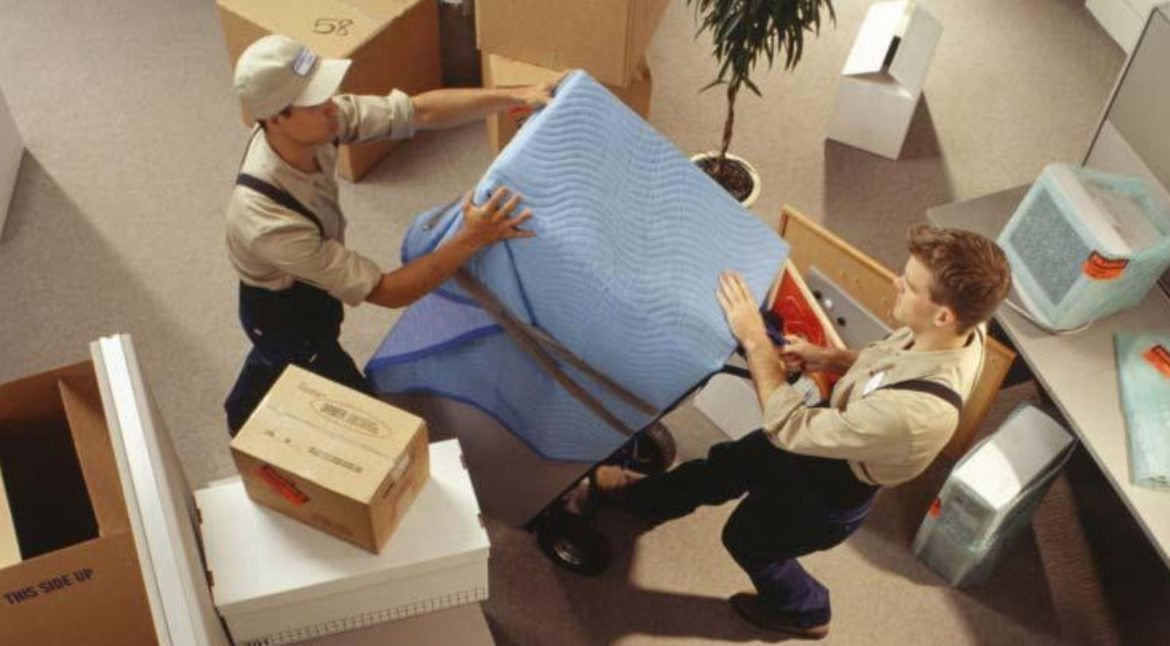
Moving day can become stressful quickly when heavy furniture isn’t properly prepared. Large dressers, dining tables, entertainment centers, armoires, sectionals, and specialty items often create delays, increase moving costs, and raise the risk of damage when homeowners wait until the last minute to get ready.
The good news is that a little planning goes a long way. Knowing how to prepare furniture for movers can help speed up the process, protect your belongings, and make moving day much more efficient.
Whether you’re relocating within Clearwater or moving across Florida, this guide provides a practical furniture moving checklist and professional moving prep tips to help you prepare heavy items before movers arrive.
Why Furniture Preparation Matters
Many homeowners assume movers will handle everything from start to finish.
While professional movers do the heavy lifting, preparation plays a major role in:
- Preventing damage
- Reducing delays
- Improving safety
- Lowering stress
- Increasing moving efficiency
Well-prepared furniture is easier to transport and less likely to sustain damage during loading and unloading.
What Happens When Furniture Isn’t Ready?
Poor preparation often creates avoidable problems.
Common issues include:
- Delayed moving schedules
- Missing hardware
- Scratched surfaces
- Broken components
- Difficult access routes
- Increased labor time
Even a simple oversight can slow the entire moving process.
Preparing in advance helps avoid these challenges.
Start With a Room-by-Room Assessment
Several weeks before moving day, evaluate every large furniture item.
Ask yourself:
- Will it fit through doorways?
- Does it require disassembly?
- Is it worth moving?
- Can it be donated or sold?
- Does it need special protection?
This assessment helps identify potential obstacles before movers arrive.
Furniture Moving Checklist: What to Do Before Moving Day
The following checklist covers the most important preparation tasks.
Remove All Personal Items
Furniture should be empty before movers arrive.
Remove items from:
- Dressers
- Cabinets
- Entertainment centers
- Bookcases
- Storage benches
Loose items can shift during transportation and cause damage.
Clean Furniture Before Packing
Dust and debris can scratch surfaces during the move.
Wipe down:
- Wood surfaces
- Glass panels
- Metal frames
- Upholstered furniture
Cleaning also makes unpacking easier at your new home.
Measure Large Furniture Pieces
One of the most common moving-day surprises involves furniture that won’t fit through doors.
Measure:
- Furniture dimensions
- Doorways
- Hallways
- Staircases
- Elevators
Professional movers appreciate having this information in advance.
Photograph Valuable Furniture
Take photos of:
- Existing scratches
- Dents
- Surface conditions
- Unique details
This documentation provides peace of mind and helps track furniture condition during the move.
Heavy Item Preparation Moving Guide
Heavy furniture often requires additional preparation.
Remove Glass Components
Take out:
- Shelves
- Doors
- Glass inserts
- Mirrors
Wrap these items separately for added protection.
Remove Detachable Parts
Whenever possible, remove:
- Legs
- Handles
- Shelves
- Table extensions
This reduces weight and improves maneuverability.
Secure Moving Parts
Use stretch wrap or moving straps to secure:
- Cabinet doors
- Drawers
- Foldable sections
Preventing movement reduces damage risk.
Which Furniture Should Be Disassembled?
Not every item requires disassembly.
However, movers often recommend disassembling:
| Furniture Type | Disassembly Recommended |
|---|---|
| Bed Frames | Yes |
| Dining Tables | Often |
| Sectional Sofas | Often |
| Entertainment Centers | Usually |
| Bookshelves | Sometimes |
| Dressers | Usually No |
Disassembly can simplify transportation and reduce damage risk.
Label Hardware and Components
Missing hardware is a common moving problem.
Place screws, bolts, and brackets into labeled bags.
Include:
- Furniture name
- Room designation
- Assembly notes
Store hardware in a secure location during the move.
This simple step saves significant time during reassembly.
Protect Delicate Surfaces
Large furniture pieces often contain vulnerable surfaces.
Protect:
- Glass tops
- Wood finishes
- Marble surfaces
- Decorative trim
Professional movers may provide protective blankets, but preparing fragile surfaces beforehand adds another layer of protection.
Clear Pathways Before Movers Arrive
Access is just as important as furniture preparation.
Remove obstacles from:
- Hallways
- Staircases
- Entryways
- Driveways
This improves safety and allows movers to work efficiently.
Many delays occur because pathways remain cluttered.
Common Furniture Preparation Mistakes
Homeowners often make avoidable mistakes.
Leaving Drawers Full
Heavy drawers increase weight and create shifting risks.
Waiting Until Moving Day
Last-minute preparation creates unnecessary stress.
Forgetting Measurements
Oversized furniture can become stuck in doorways.
Losing Hardware
Missing parts delay reassembly.
Ignoring Fragile Components
Glass and decorative features require extra attention.
Avoiding these mistakes helps create a smoother move.
Specialty Furniture Requires Extra Planning
Some furniture items need additional preparation.
Examples include:
- Antique furniture
- Marble-top tables
- Large armoires
- Custom-built pieces
- Oversized sectionals
These items often require specialized moving techniques and additional protection.
Discuss specialty items with movers before moving day.
Florida-Specific Moving Considerations
Florida’s climate can affect furniture during relocation.
Humidity
Wood furniture may respond to changing moisture levels.
Rainstorms
Unexpected weather can expose furniture to moisture.
Clearwater Condominiums
Elevator scheduling may affect moving logistics.
HOA Rules
Some communities restrict moving hours.
Planning ahead helps prevent complications.
Furniture Preparation Timeline
A simple timeline keeps the process organized.
Two Weeks Before Moving
- Assess furniture
- Measure large items
- Decide what to keep
One Week Before Moving
- Clean furniture
- Photograph valuable pieces
- Gather packing supplies
Two Days Before Moving
- Remove detachable components
- Empty furniture
- Label hardware
Moving Day
- Verify pathways are clear
- Secure pets
- Confirm mover access
Following a timeline reduces stress significantly.
Clearwater Moving Example
A Clearwater homeowner planned to move a large entertainment center, sectional sofa, and dining table set.
Before moving day, they:
- Measured all access points
- Removed detachable components
- Labeled hardware
- Cleared pathways
As a result, movers completed the loading process efficiently and avoided delays caused by oversized furniture.
Preparation helped create a smoother relocation experience.
Whether you’re moving a home or a business, Way 2 Go Moving is here to help every step of the way.
Professional Moving Insight
Experienced movers often say the easiest moves aren’t necessarily the smallest moves.
They’re the best-prepared moves.
When homeowners take time to prepare furniture for movers, the crew can focus on transportation rather than troubleshooting access issues, disassembly challenges, or missing components.
Preparation often reduces stress more than any other part of the moving process.
Moving heavy, oversized, or delicate items requires more planning and expertise than a standard move. Whether you need to learn how to move a piano without damage, understand the secrets of pool table moving, or discover how professionals safely relocate heavy safes, having the right strategy can prevent costly mistakes.
Many homeowners also wonder about specialty moving costs in Florida, the hidden charges that may arise, and whether DIY or professional movers are the safer option for heavy items. Proper preparation is equally important, which is why knowing how to prepare heavy furniture before movers arrive and avoiding the most common mistakes when moving heavy or fragile items can save time, money, and stress.
Specialty moves often involve unique challenges, from relocating a hot tub to transporting gym equipment safely without injury or damage. If you’re unsure whether your move requires expert assistance, understanding when to hire specialty movers in Clearwater can help you make the right decision. In the guides below, we’ll cover each of these topics in detail to help you protect your belongings and ensure a smooth, damage-free move.
Learning how to prepare furniture for movers is one of the simplest ways to improve your moving experience. From measuring furniture and removing hardware to following a complete furniture moving checklist, proper planning helps protect your belongings and keeps moving day on schedule. Whether you’re relocating heavy furniture across Clearwater or preparing for a long-distance move, these moving prep tips can help ensure a safer and more efficient relocation.
If you’re planning a move in Clearwater or nearby communities, book a consultation with Way2Go Moving to discuss furniture moving, specialty item relocation, packing services, storage solutions, and local or long-distance moving support.