
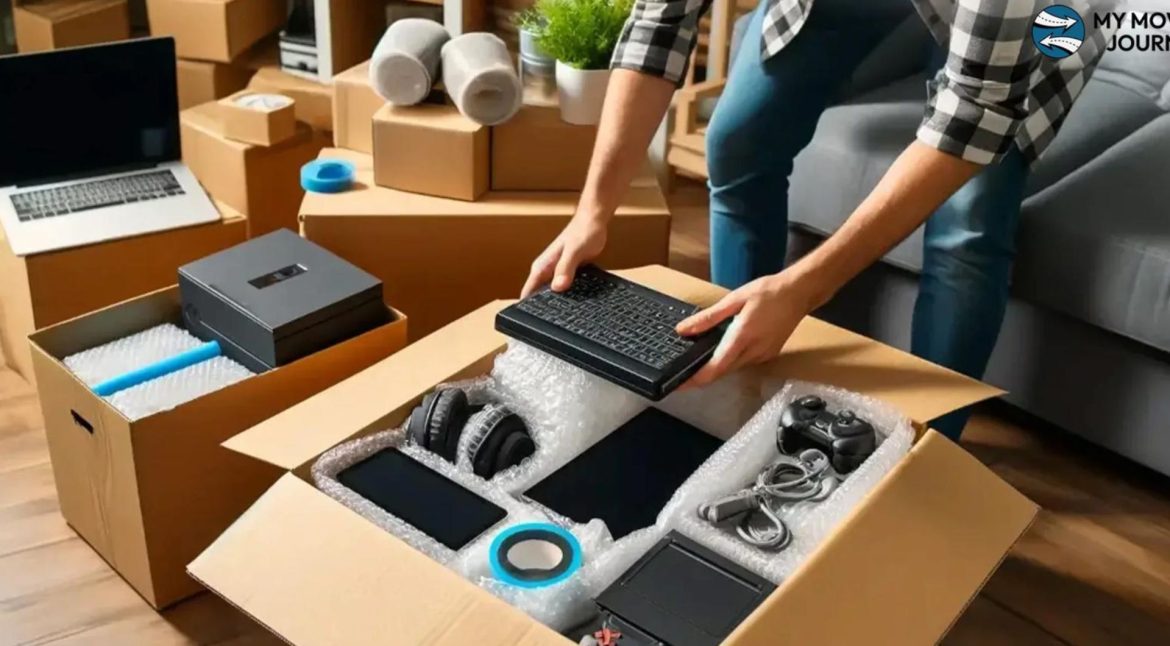
Most moving damage happens before the truck even arrives…
If you’re wondering how to pack for a move properly, you’re already taking the most important step toward a successful relocation. Many homeowners focus on hiring movers and scheduling moving dates, but packing often determines whether belongings arrive safely or end up damaged, lost, or disorganized.
A well-planned packing strategy protects your possessions, saves time during unpacking, and reduces stress throughout the moving process. Whether you’re moving across Clearwater, relocating elsewhere in Florida, or preparing for a long-distance move, understanding the right packing methods can make a significant difference the moving services that help Tampa families and businesses relocate with confidence.
This ultimate moving packing guide covers everything you need to know, from choosing supplies and creating a timeline to protecting fragile items and avoiding common packing mistakes.
Why Learning How to Pack for a Move Properly Matters
Packing isn’t simply placing items into boxes.
Every piece of furniture, electronic device, dish, and decorative item faces movement during transportation. Without proper protection, even a short local move can result in unnecessary damage.
According to the American Moving & Storage Association, the average American moves more than 11 times during their lifetime. Because moving is such a common experience, developing effective packing habits can save time, money, and frustration during every relocation.
What I learned from watching successful moves is that organization matters just as much as protection. People who follow a structured packing system typically unpack faster, locate important items more easily, and experience fewer moving-day surprises.
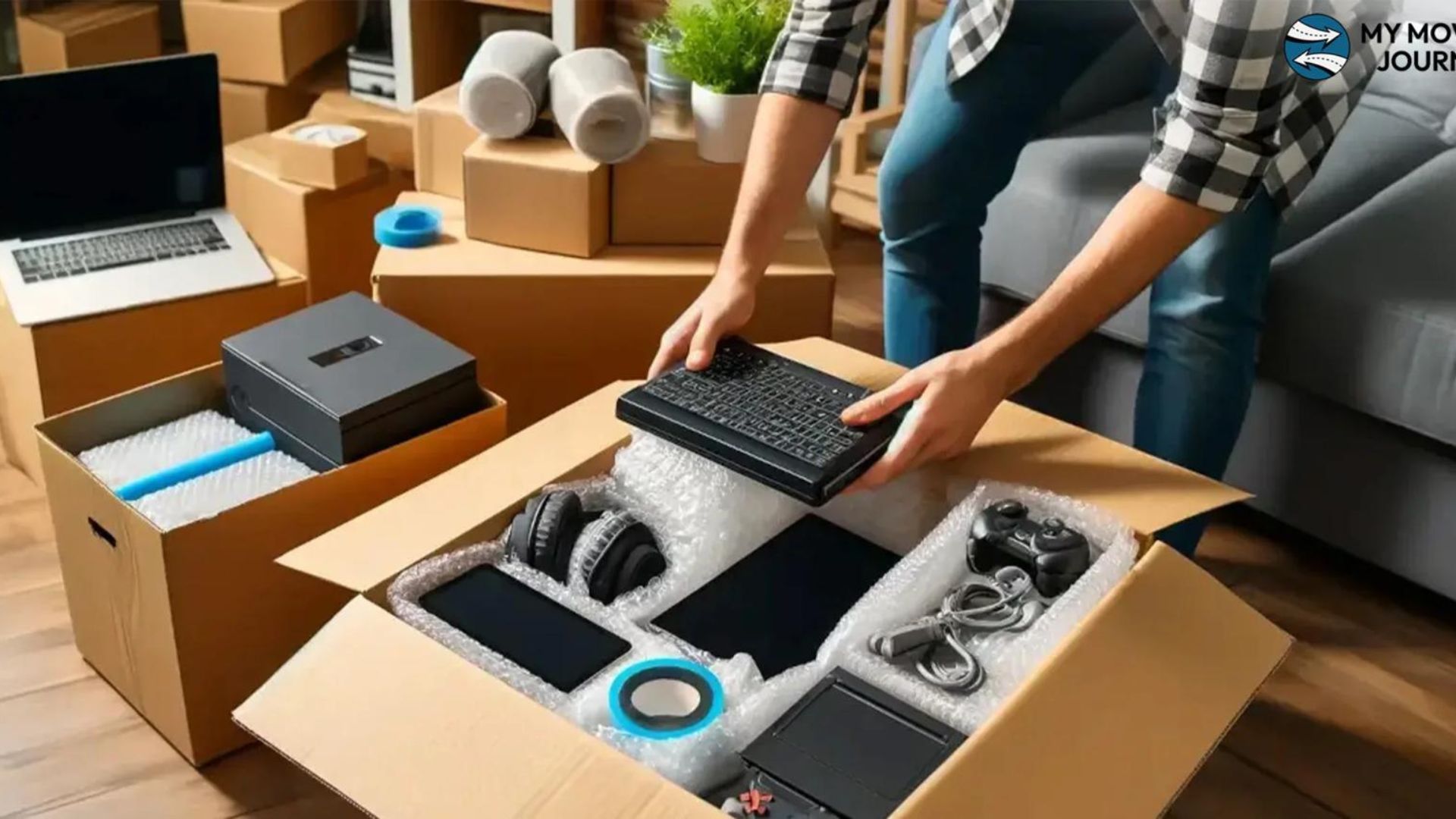
Create a Moving Timeline Before You Start Packing
One of the most common mistakes homeowners make is waiting too long to begin.
The best moving experiences start weeks before moving day.
Recommended Packing Schedule
4-6 Weeks Before Moving
- Declutter unwanted items
- Donate usable belongings
- Sell items you no longer need
- Create a moving inventory
3-4 Weeks Before Moving
- Purchase packing supplies
- Pack seasonal items
- Pack decorative items
2-3 Weeks Before Moving
- Pack guest rooms
- Pack books and collections
- Pack non-essential household items
1 Week Before Moving
- Pack most daily-use belongings
- Confirm moving logistics
Moving Week
- Pack essentials separately
- Prepare important documents
- Finish remaining packing
Starting early eliminates last-minute stress and helps prevent rushed decisions.

How Long Does Packing Usually Take?
Many homeowners underestimate how much time packing requires. The timeline depends on home size, the number of belongings, and whether you pack yourself or hire professionals.
| Home Size | DIY Packing Estimate | Professional Packing Estimate |
|---|---|---|
| Studio Apartment | 1-2 Days | A Few Hours |
| 2-Bedroom Home | 3-5 Days | About 1 Day |
| 4-Bedroom Home | 1-2 Weeks | 1-2 Days |
| Large Family Home | 2+ Weeks | 2-3 Days |
This is why many Clearwater families begin planning their packing process several weeks before moving day. Starting early helps reduce stress and prevents rushed packing decisions.
Essential Packing Supplies You Actually Need
A successful move starts with quality materials.
Many people either buy too many supplies or purchase the wrong ones.
Your basic packing kit should include:
- Small moving boxes
- Medium moving boxes
- Large moving boxes
- Packing tape
- Bubble wrap
- Packing paper
- Permanent markers
- Labels
- Furniture blankets
- Mattress covers
Using strong, high-quality boxes reduces the risk of damage during loading and transportation.
If you’re unsure what materials make sense for your move, review our guide on What Packing Supplies Do You Really Need? (Avoid Overspending) for a more detailed breakdown. Whether you’re moving a home or a business, Way 2 Go Moving is here to help every step of the way.
Packing Tips Moving House: Proven Strategies That Work
When searching for reliable packing tips moving house, you’ll find hundreds of recommendations online. The following techniques consistently deliver the best results.
Pack One Room at a Time
Avoid mixing belongings from different rooms.
Keeping boxes organized by room makes unloading and unpacking significantly easier.
Label Boxes Clearly
Don’t simply write “Kitchen” or “Bedroom.”
Instead, use detailed labels such as:
- Kitchen – Plates
- Kitchen – Small Appliances
- Bedroom – Winter Clothing
- Office – Electronics
Specific labels save hours during unpacking.
Use the Right Box Sizes
Place heavier items into smaller boxes.
Reserve larger boxes for lighter belongings such as linens, pillows, and clothing.
Fill Empty Spaces
Movement inside boxes often causes damage.
Use packing paper, towels, or bubble wrap to fill gaps and secure contents.
Create an “Open First” Box
Professional movers often recommend keeping one clearly labeled box with essentials you’ll need immediately after arriving.
Include:
- Phone chargers
- Toiletries
- Medications
- Important documents
- Basic kitchen supplies
- A change of clothes
For more professional strategies, read 7 Expert Packing Tips Movers Use (Most People Don’t Know).
Room-by-Room Moving Packing Guide
A structured moving packing guide prevents important items from being overlooked.
Kitchen
The kitchen often takes longer to pack than any other room.
Wrap dishes individually and store plates vertically for added protection.
Use extra cushioning around glassware and fragile serving pieces.
Living Room
Disconnect electronics carefully and label cords.
Protect televisions, monitors, and speakers using adequate padding.
Bedrooms
Wardrobe boxes simplify clothing transportation.
Keep jewelry, valuables, and important documents separate from general household items.
Bathrooms
Seal liquid containers securely.
Store toiletries inside plastic bags to prevent leaks.
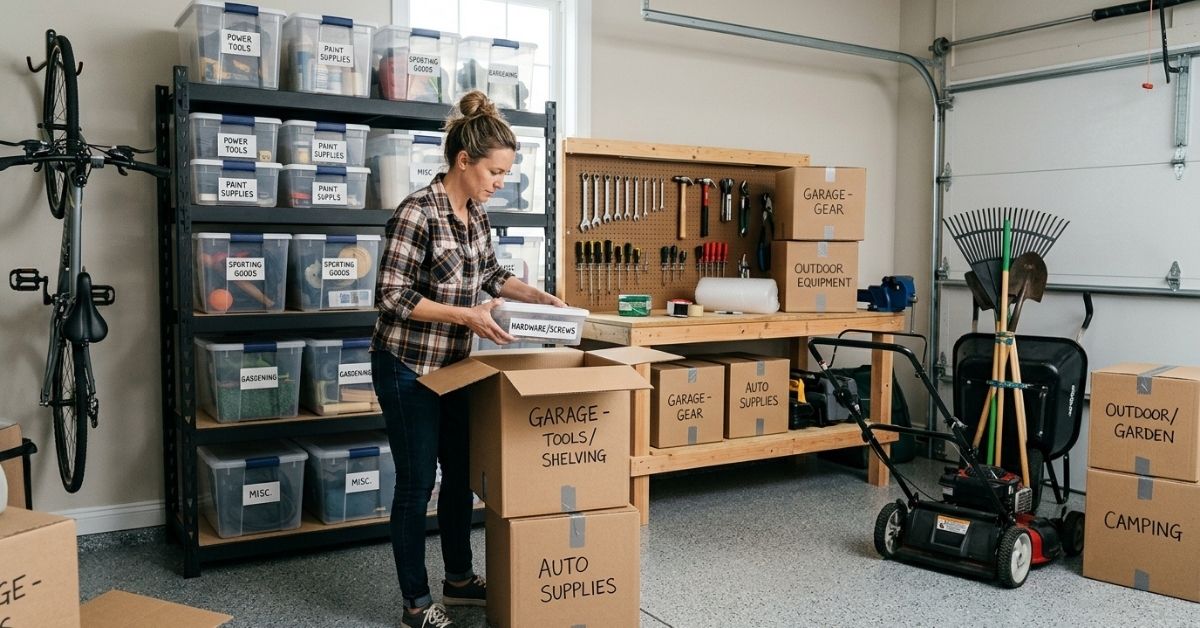
Garage and Storage Areas
Organize tools and outdoor equipment carefully.
Dispose of hazardous materials before moving day. Complete Room-by-Room Packing Checklist (Stress-Free Move).
The Best Way to Pack for Moving Fragile Items
Many homeowners ask about the best way to pack for moving delicate belongings.
The answer involves more than extra bubble wrap.
Glassware
Wrap each piece individually.
Place heavier glasses near the bottom of the box and lighter items toward the top.
Artwork and Mirrors
Use corner protectors whenever possible.
Specialty boxes provide additional protection for larger pieces.
Electronics
Original manufacturer packaging offers the best protection.
If unavailable, use sturdy boxes with generous cushioning.
Decorative Items
Wrap items separately and avoid overcrowding boxes.
Proper spacing prevents damage during transportation.
For detailed instructions, review How to Pack Fragile Items Safely (Avoid Costly Breakage).
Packing Items for Storage the Right Way
If your move involves temporary storage, packing methods become even more important.
To better protect stored belongings:
- Use sturdy moving boxes instead of plastic bags
- Label every box clearly
- Create a simple inventory list
- Avoid overpacking boxes
- Wrap furniture to prevent dust buildup
- Keep important documents separate from stored items
Many Clearwater homeowners use storage solutions during renovations, downsizing projects, or long-distance relocations. Proper packing helps keep items organized and protected while in storage.
Common Packing Mistakes That Cause Damage
What nobody tells you is that many moving problems start with avoidable packing mistakes.
Waiting Until the Last Minute
Rushed packing often leads to poor organization and insufficient protection.
Using Weak Boxes
Old boxes may collapse under pressure.
Forgetting to Label Boxes
Unlabeled boxes create confusion and slow down the unpacking process.
Overloading Boxes
Heavy boxes increase injury risks and become more difficult to transport safely.
Mixing Heavy and Fragile Items
Heavy belongings can crush delicate items during transit.
Avoiding these mistakes helps protect both your belongings and your moving schedule.
Professional Packing vs DIY Packing: A Quick Comparison
While many people handle packing themselves, professional packing services can offer significant advantages.
| Factor | DIY Packing | Professional Packing |
|---|---|---|
| Time Required | Several Days or Weeks | Often Completed Within a Day |
| Packing Materials | Purchased Separately | Typically Included |
| Damage Risk | Higher | Lower |
| Stress Level | Moderate to High | Significantly Reduced |
| Organization | Self-Managed | Professionally Structured |
Professional packing often provides the greatest value for large households, long-distance relocations, businesses, and senior moves. DIY Packing vs Professional Packers: Which Saves More Money?
Which Packing Option Is Best for Your Move?
Not every move requires the same approach.
Use this guide to determine which option may fit your situation best.
| Moving Situation | Recommended Option |
|---|---|
| Studio Apartment | DIY Packing |
| Small Local Move | DIY or Partial Packing |
| Family Home | Partial or Professional Packing |
| Long-Distance Move | Professional Packing |
| Senior Relocation | Professional Packing |
| Office Relocation | Professional Packing |
| Valuable Collections | Professional Packing |
| Large Multi-Bedroom Home | Professional Packing |
The right choice depends on your available time, budget, household size, and the complexity of your move.
Learning how to pack for a move properly is one of the most valuable steps you can take before relocating. A thoughtful packing strategy protects your belongings, reduces stress, and helps create a smoother transition into your new home.
Whether you’re moving locally within Clearwater or planning a long-distance relocation, investing time in proper packing can save countless headaches later. Ready to move? Explore our services or request a free quote from our experienced team.
If you’d like expert help preparing for your upcoming move, book a consultation with Way2Go Moving to explore professional packing, local moving, long-distance moving, storage, and junk removal solutions tailored to your needs.