

Many people spend hundreds of dollars on moving supplies they never actually use…
A smart moving packing supplies list can help you protect your belongings without wasting money on unnecessary materials. One of the most common moving mistakes is buying too many boxes, too much bubble wrap, or specialty supplies that never leave the garage.
The truth is that not every move requires premium packing materials for every item. Knowing which supplies are essential—and which ones are optional—can help you stay organized, protect your belongings, and keep moving costs under control. Way 2 Go Moving is here to help every step of the way.
Whether you’re moving across Clearwater or preparing for a long-distance relocation, this guide will help you create a practical packing supplies checklist without overspending.
Moving Packing Supplies List: Start With the Essentials
Before buying anything, focus on the supplies most households actually need. A complete moving packing supplies list usually includes:
- Moving boxes
- Packing tape
- Packing paper
- Bubble wrap
- Permanent markers
- Labels
- Furniture covers
These basic supplies handle the majority of household packing needs. What I learned from observing successful moves is that organization often matters more than buying expensive supplies. The right packing system can save more money than purchasing premium materials.
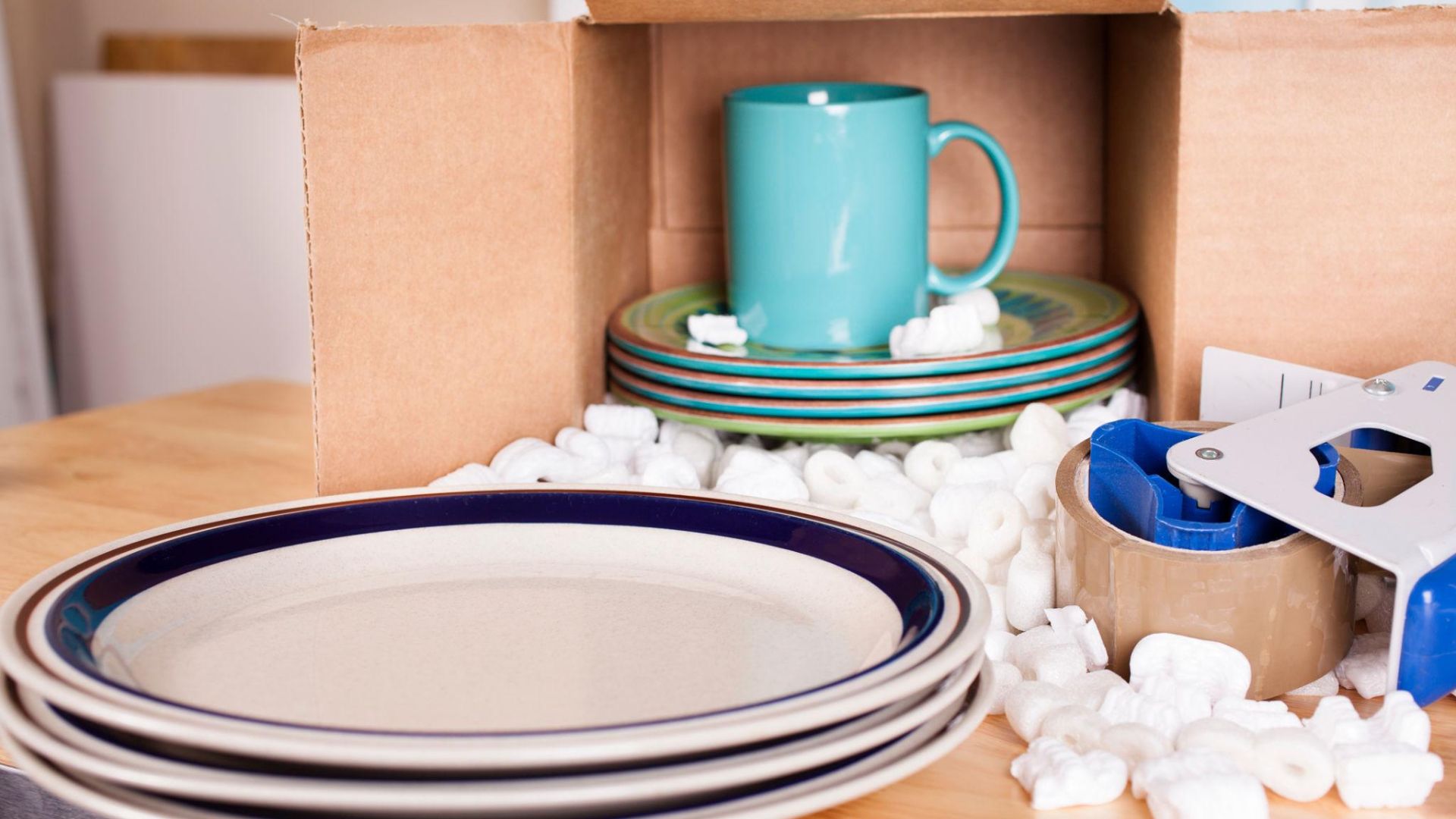
Why Buying Too Many Supplies Costs More Than You Think
Many homeowners purchase supplies based on guesswork.
The result often includes:
- Unused boxes
- Excess packing materials
- Duplicate purchases
- Wasted money
According to the American Moving & Storage Association, the average American moves more than 11 times during their lifetime. Professional movers typically estimate supply needs based on home size rather than purchasing materials in bulk without a plan.
Essential Packing Supplies for Moving
Let’s start with the items most households genuinely need.
Moving Boxes
Boxes remain the foundation of every move.
| Box Type | Best For |
|---|---|
| Small Boxes | Books, tools, kitchen items |
| Medium Boxes | Household goods, toys, décor |
| Large Boxes | Bedding, pillows, lightweight items |
| Wardrobe Boxes | Hanging clothes |
Using the correct box size helps prevent damage and makes lifting safer.
Packing Tape
Choose strong tape designed specifically for moving boxes.
Cheap tape often fails under weight and temperature changes.
Packing Paper
Packing paper protects fragile belongings without leaving residue or ink stains.
Ideal for:
- Dishes
- Glassware
- Collectibles
- Decorative items
Bubble Wrap
Bubble wrap provides extra cushioning for:
- Electronics
- Artwork
- Mirrors
- Fragile household items
Boxes Packing Materials Moving Professionals Recommend
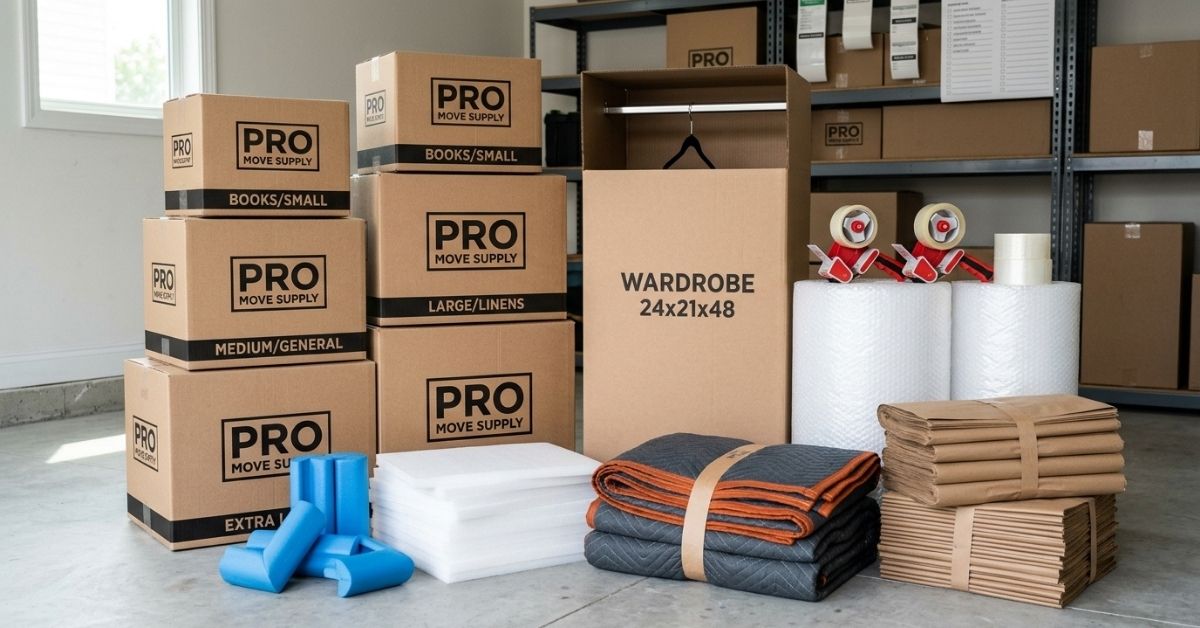
Professional movers rarely use a one-size-fits-all approach.
Different belongings require different protection levels.
Standard Protection
Suitable for:
- Clothing
- Towels
- Linens
- Non-breakable household goods
Extra Protection
Recommended for:
- Glassware
- Electronics
- Artwork
- Antiques
Specialty Protection
Often used for:
- Large mirrors
- Televisions
- Valuable collectibles
Understanding these categories helps prevent unnecessary purchases.
Packing Supplies Checklist by Room
A room-by-room approach helps you buy only what you need.
Kitchen
- Small boxes
- Packing paper
- Bubble wrap
- Dish dividers
Bedroom
- Medium boxes
- Wardrobe boxes
- Labels
Living Room
- Medium boxes
- Furniture covers
- Bubble wrap
Home Office
- Small boxes
- Cable labels
- Packing paper
Bathroom
- Small boxes
- Plastic bags for liquids
- Labels
This method helps prevent overbuying.
Supplies You May Not Need
Many moving stores promote products that aren’t essential for every move.
Depending on your situation, you may not need:
- Specialty dish packs
- Large quantities of foam sheets
- Excess wardrobe boxes
- Multiple tape dispensers
- Premium packing kits
Evaluate your household before purchasing specialty materials. The goal is protection not collecting supplies.
Supply Priority System: What to Buy First
Not all packing supplies need to be purchased immediately.
Buy First
These supplies are essential for nearly every move:
- Moving boxes
- Packing tape
- Packing paper
- Labels
- Permanent markers
Buy Later If Needed
These supplies depend on what you’re moving:
- Specialty dish boxes
- Mirror boxes
- Additional bubble wrap
- Furniture covers
- Wardrobe boxes
This simple strategy helps prevent overspending and reduces unnecessary purchases.
Professional Packing Secret: Use What You Already Own
One of the most useful moving tips professionals use involves household items. Soft items can often serve as protective materials. Examples include:
- Towels
- Blankets
- Bed linens
- Sweatshirts
- Socks
These items can cushion fragile belongings and reduce the need for additional packing products. This strategy often helps homeowners save money while reducing waste.
How Many Boxes Do You Really Need?
Many homeowners struggle with estimating box quantities. While every move differs, these general guidelines can help.
| Home Size | Estimated Box Count |
|---|---|
| Studio Apartment | 15-25 Boxes |
| 1-2 Bedroom Home | 30-50 Boxes |
| 3-4 Bedroom Home | 60-100 Boxes |
| Large Family Home | 100+ Boxes |
These estimates vary depending on storage areas, household size, and personal belongings.
Moving Supply Budget Guide
One of the easiest ways to avoid overspending is to create a supply budget before shopping.
| Home Size | Typical Supply Needs | Budget Range |
|---|---|---|
| Studio Apartment | Basic Boxes & Packing Materials | Low |
| 1-2 Bedroom Home | Moderate Supplies | Moderate |
| 3-4 Bedroom Home | Larger Box Quantities & Protection Materials | Higher |
| Large Family Home | Extensive Supplies & Specialty Materials | Highest |
The key is buying supplies based on your home’s size rather than purchasing large quantities upfront. Many homeowners save money by purchasing additional materials only after evaluating actual packing progress.
Packing Supplies for Fragile Items
Fragile belongings deserve additional protection. Recommended supplies include:
Bubble Wrap
Provides cushioning for delicate items.
Packing Paper
Protects surfaces from scratches.
Corner Protectors
Useful for mirrors and artwork.
Dividers
Ideal for glassware and kitchen items.
Strong Boxes
A weak box can undermine every other protective measure.
For additional guidance, review your fragile item packing guide.
Storage Supplies You Shouldn’t Ignore
If your move includes storage, you’ll need a few additional materials.
Furniture Covers
Protect furniture from dust and dirt.
Moisture Protection
Important for long-term storage.
Inventory Labels
Help track stored items.
Clear Plastic Bins
Useful for documents and frequently accessed belongings. Many Clearwater homeowners use storage during renovations, downsizing projects, and long-distance relocations.
Storage Supply Checklist
Before placing belongings into storage, make sure you have:
- Furniture covers
- Moisture absorbers
- Plastic storage bins
- Inventory labels
- Permanent markers
- Protective wrapping materials
- Shelving or pallets when appropriate
Proper preparation helps protect belongings throughout the storage period.
What Professional Movers Bring That Most Homeowners Don’t
Professional packing crews often use specialty materials that homeowners rarely purchase.
These may include:
- Wardrobe boxes
- Mirror cartons
- Dish pack boxes
- Corner protectors
- Reinforced moving cartons
- Specialty artwork containers
These materials provide additional protection for valuable or difficult-to-pack belongings. For homeowners moving antiques, artwork, collectibles, or large electronics, professional packing materials can help reduce the risk of damage.
Common Packing Supply Mistakes
Buying Every Specialty Product
Not every item requires premium protection.
Using Weak Boxes
Old boxes may fail during transportation.
Forgetting Labels
Unlabeled boxes create confusion later.
Underestimating Tape Needs
Many homeowners run out of tape halfway through packing.
Purchasing Supplies Too Late
Last-minute shopping often increases costs. Avoiding these mistakes can save both time and money.
DIY Supplies vs Professional Packing Services
Some homeowners prefer buying supplies and packing independently.
Others choose professional packing services.
DIY packing may work well for:
- Small households
- Apartments
- Flexible schedules
Professional packing may provide greater value for:
- Large homes
- Long-distance moves
- Seniors
- Business relocations
- Valuable collections
Professional packers often bring specialized materials and packing expertise that help protect belongings more efficiently. DIY Packing vs Professional Packers: Which Saves More Money?
Quick Packing Supplies Checklist
Before packing begins, confirm you have:
- Moving boxes
- Packing tape
- Packing paper
- Bubble wrap
- Labels
- Permanent markers
- Furniture covers
- Plastic bags for liquids
- Inventory list
This simple checklist covers the essentials for most household moves.
Building the right moving packing supplies list doesn’t mean buying every product available. The smartest approach focuses on the supplies you genuinely need while avoiding unnecessary expenses.
By choosing the right boxes, protective materials, and organizational tools, you can protect your belongings, stay organized, and control moving costs.
Whether you’re moving locally within Clearwater or preparing for a long-distance relocation, thoughtful planning can save both money and stress we provide reliable solutions tailored to your needs.
If you’d like expert guidance on packing materials, packing services, storage solutions, or moving preparation, book a consultation with Way2Go Moving and receive personalized recommendations for your upcoming move.