
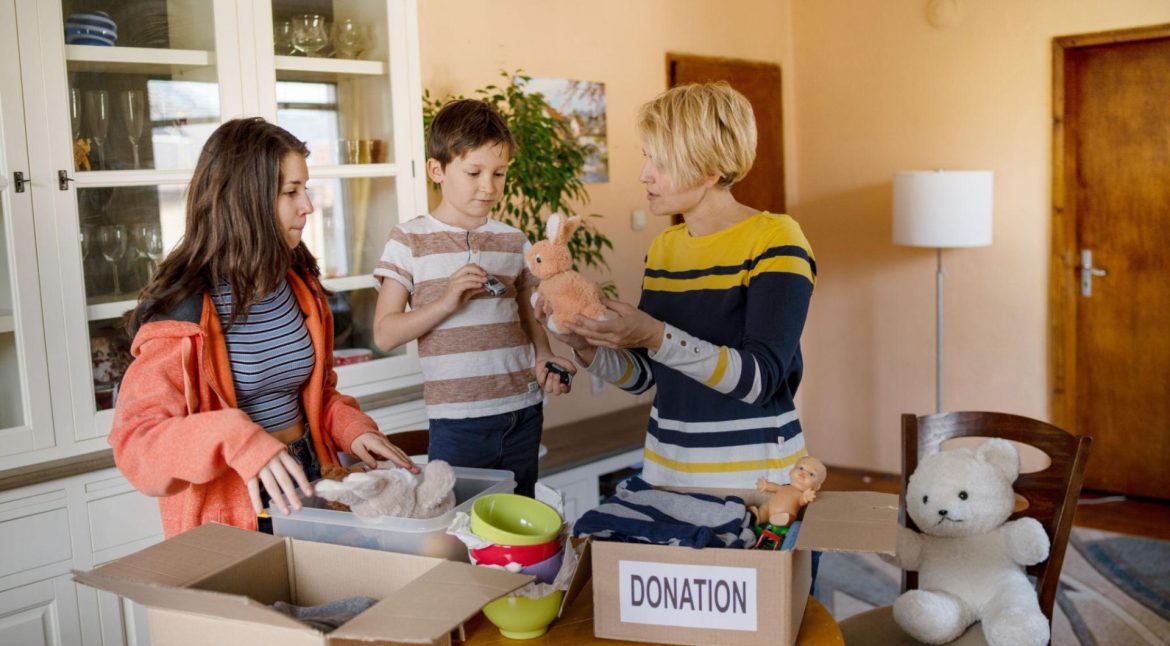
Most moving damage doesn’t happen on the road it happens inside the box before the truck even leaves…
If you’re wondering how to pack fragile items for moving, you’re already taking an important step toward protecting your belongings. Delicate items such as glassware, artwork, electronics, mirrors, and family heirlooms require more than a cardboard box and a few pieces of tape.
Whether you’re moving locally in Clearwater or preparing for a long-distance relocation, proper packing techniques can significantly reduce the risk of damage and help you avoid costly replacements. Learn more about the moving services that help Tampa families and businesses relocate with confidence.
This guide explains how professional movers protect fragile belongings and the simple steps you can follow to do the same.
How to Pack Fragile Items for Moving the Right Way
Learning how to pack fragile items for moving starts with understanding why items break.
Most fragile belongings are damaged because of:
- Movement inside the box
- Poor cushioning
- Incorrect box sizes
- Stacking pressure
- Improper weight distribution
Professional movers focus on eliminating movement and protecting vulnerable areas before transportation begins we provide reliable solutions tailored to your needs.
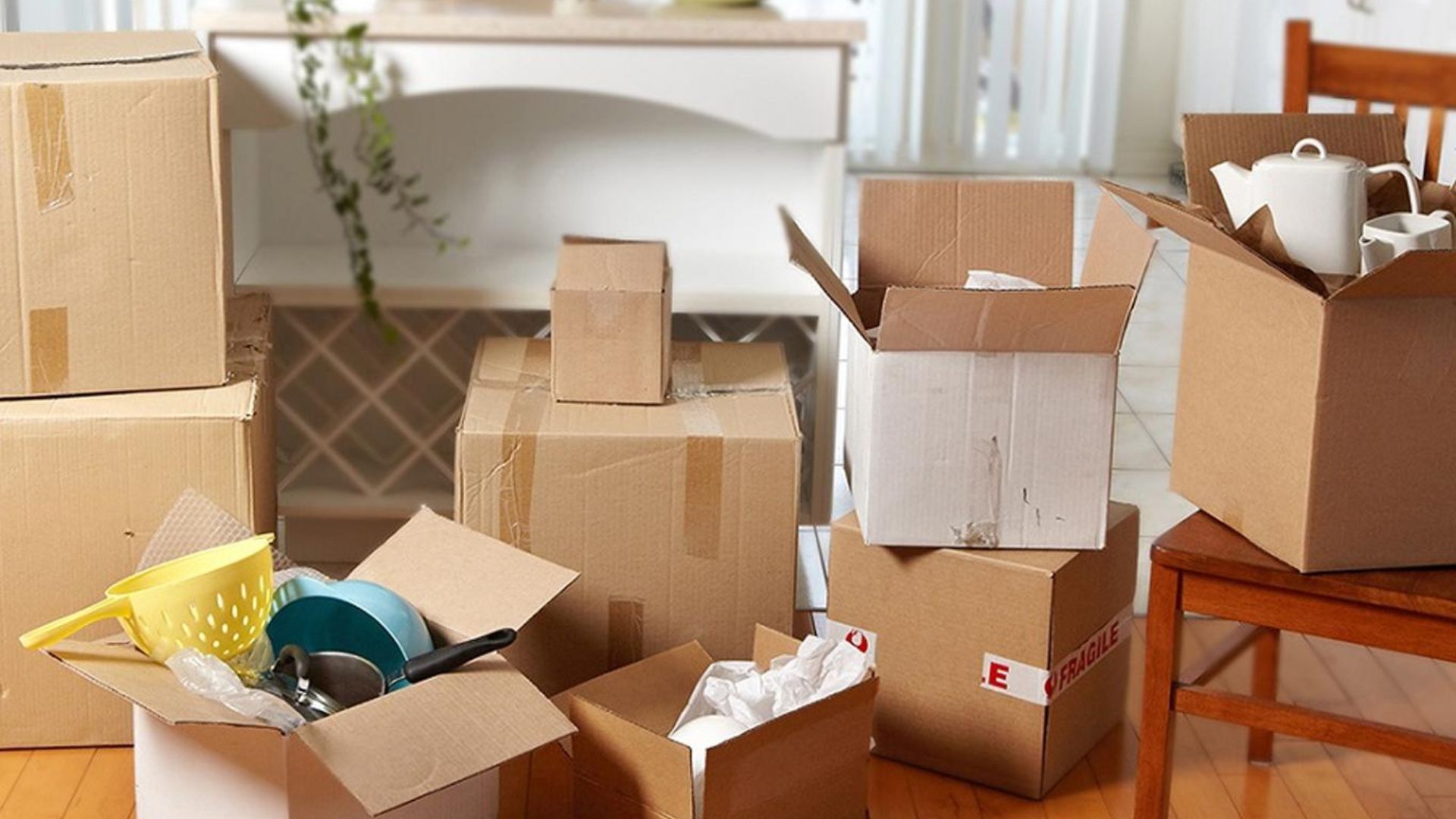
Why Fragile Items Break During Moves
Many people assume fragile items break because boxes get dropped. In reality, most damage occurs because of:
Compression
Heavy boxes stacked on top of fragile items create pressure that can cause cracks and breakage.
Vibration
Long-distance transportation creates constant vibration that slowly shifts items inside boxes.
Internal Movement
Items that slide or collide during transportation are much more likely to break.
Poor Weight Distribution
Heavy objects placed on top of delicate belongings increase the risk of damage. Understanding these causes helps you pack more effectively.
Why Proper Protection Matters
Fragile belongings often carry both financial and sentimental value. According to the American Moving & Storage Association, the average American moves more than 11 times during their lifetime. What I learned from observing professional movers is that preventing damage is always easier and less expensive than replacing valuable items after a move. A few extra minutes spent protecting fragile belongings can save hundreds of dollars and prevent unnecessary stress.
Start with the Right Packing Supplies
Before packing anything delicate, gather quality materials.
Essential supplies include:
- Sturdy moving boxes
- Bubble wrap
- Packing paper
- Foam sheets
- Packing tape
- Dividers for glassware
- Permanent markers
- Fragile labels
Professional Packing Materials Movers Often Use
Professional movers frequently use specialty materials such as:
- Dish pack boxes
- Foam pouches
- Corner protectors
- Mirror boxes
- Picture-frame boxes
- Reinforced double-wall boxes
These materials provide additional protection for high-value or difficult-to-replace items.
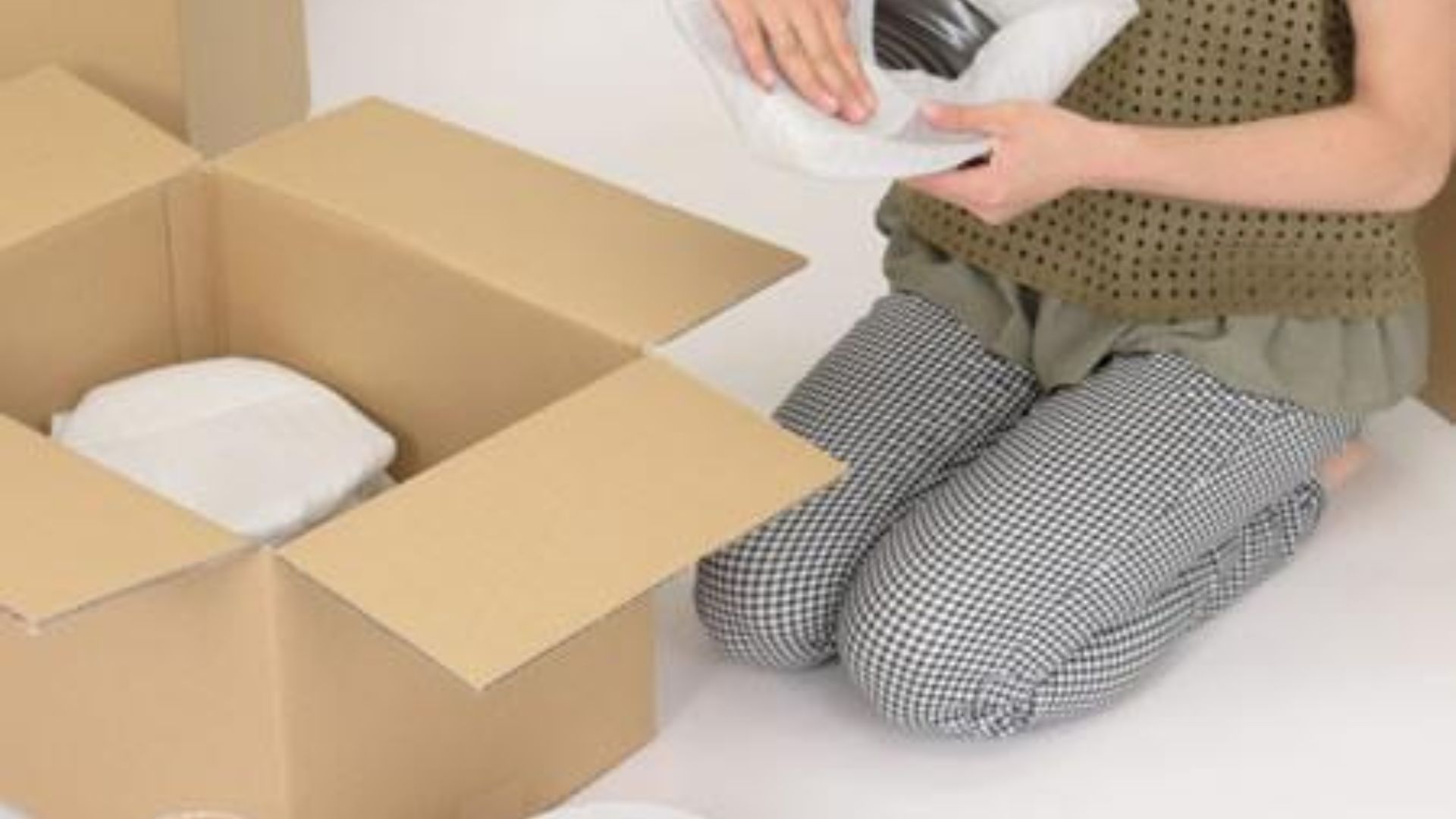
Fragile Item Risk Guide
Not every fragile item requires the same level of protection.
| Item Type | Risk Level | Recommended Protection |
|---|---|---|
| Plates | Medium | Packing Paper & Cushioning |
| Glassware | High | Individual Wrapping & Dividers |
| Electronics | High | Original Box or Heavy Padding |
| Artwork | High | Corner Protectors & Specialty Boxes |
| Mirrors | Very High | Mirror Boxes & Extra Cushioning |
| Antiques | Very High | Professional Packing Recommended |
This simple guide helps determine when extra protection may be necessary.
Fragile Packing Matrix: DIY or Professional Help?
Some items are easier to pack than others.
| Item | DIY Friendly | Professional Recommended |
|---|---|---|
| Plates | Yes | Optional |
| Glassware | Yes | Optional |
| Small Electronics | Yes | Optional |
| Large TVs | Moderate | Recommended |
| Artwork | Moderate | Recommended |
| Mirrors | No | Recommended |
| Antiques | No | Recommended |
| Collectibles | Moderate | Recommended |
For valuable or irreplaceable belongings, professional packing may provide additional peace of mind.
Packing Glassware Moving: Best Practices
One of the biggest concerns homeowners have involves packing glassware moving safely.
Step 1: Wrap Each Piece Individually
Never allow glasses to touch directly.
Step 2: Cushion the Bottom of the Box
Create a protective layer before loading items.
Step 3: Pack Upright
Professional movers often position glassware upright to distribute pressure more evenly.
Step 4: Fill Empty Spaces
Use packing paper to eliminate movement.
Step 5: Label Clearly
Mark boxes:
- Fragile
- Glassware
- This Side Up
How to Protect Fragile Items During a Move
Understanding how to protect fragile items move safely requires more than wrapping materials.
Use the Correct Box Size
Boxes should fit contents securely without excessive empty space.
Balance Weight Properly
Place heavier items at the bottom.
Avoid Overpacking
Too much pressure inside a box can cause damage.
Double-Box Valuable Items
Professional movers often place fragile items inside a second cushioned box for extra protection.
How to Pack Common Fragile Household Items
Plates and Dishes
Pack vertically rather than stacking flat.
Mirrors
Use corner protectors and dedicated mirror boxes.
Artwork
Wrap corners and use specialty artwork boxes whenever possible.
Electronics
Use original packaging if available.
Lamps
Remove shades and wrap components separately.
Wine Glasses and Crystal
Use dividers and individual wrapping for each piece.
Professional Packing Secret: The Shake Test
One of the most useful packing fragile items safely techniques professional movers use is the shake test.
Before sealing a box:
- Gently shake it
- Listen for movement
- Add cushioning if necessary
If the contents remain secure, the box is ready for transport.
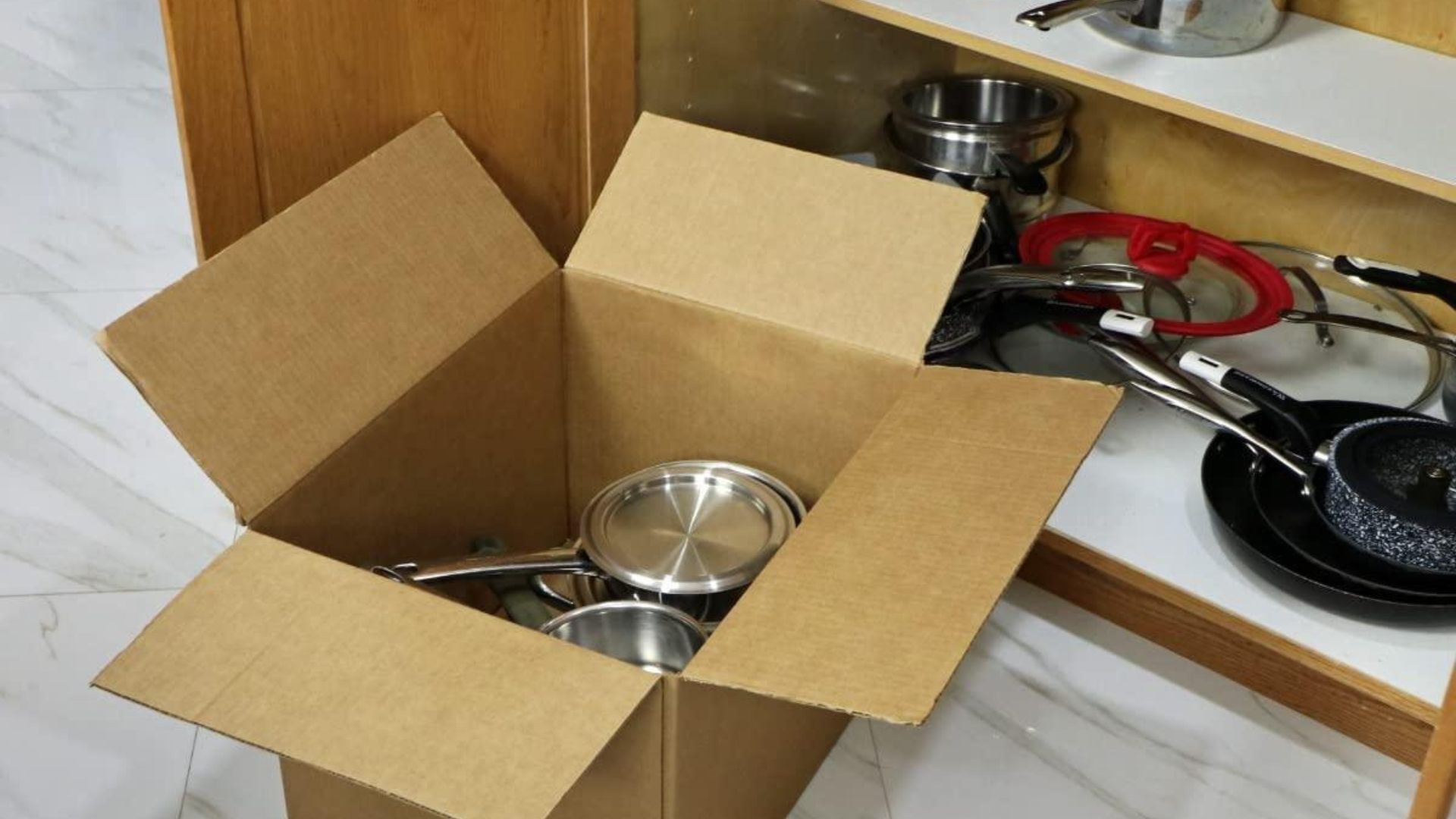
Common Fragile Packing Mistakes to Avoid
Using Newspaper Instead of Packing Paper
Ink can transfer onto delicate surfaces.
Leaving Empty Spaces
Movement increases damage risk.
Overloading Boxes
Heavy boxes create pressure on fragile contents.
Forgetting Labels
Unmarked boxes may not receive proper handling.
Mixing Heavy and Fragile Items
Heavy belongings can crush delicate items during transportation.
Packing Fragile Items for Storage
If your move includes storage, fragile belongings need additional protection.
Storage Checklist
- Use moisture-resistant materials
- Label every box clearly
- Create an inventory list
- Avoid overstacking
- Keep fragile boxes elevated
- Protect climate-sensitive items
Many Clearwater homeowners use storage during renovations, downsizing projects, and long-distance relocations. Proper preparation helps protect belongings throughout the storage period.
When Professional Packing Services Make Sense
Professional packing services may provide additional value when moving:
- Valuable artwork
- Antiques
- Large mirrors
- Collectibles
- Electronics
- Family heirlooms
Professional packers use specialized materials and proven systems designed to reduce damage risks.
Quick Fragile Packing Checklist
Before moving day, confirm that you have:
- Wrapped every fragile item individually
- Filled empty spaces
- Used sturdy boxes
- Balanced box weight
- Labeled boxes clearly
- Completed the shake test
- Created an inventory list
Learning how to pack fragile items for moving can help protect valuable belongings, reduce stress, and prevent expensive damage during relocation. The right materials, proper cushioning, and proven packing techniques create a safer moving experience from start to finish. Ready to move? Explore our services or request a free quote from our experienced team.
Whether you’re moving locally within Clearwater or preparing for a long-distance relocation, taking extra care with fragile belongings is one of the smartest investments you can make. Way 2 Go Moving is here to help every step of the way. If you’d like expert assistance protecting delicate items during your move, book a consultation with Way2Go Moving to explore professional packing, local moving, long-distance moving, storage, and junk removal solutions tailored to your needs.