
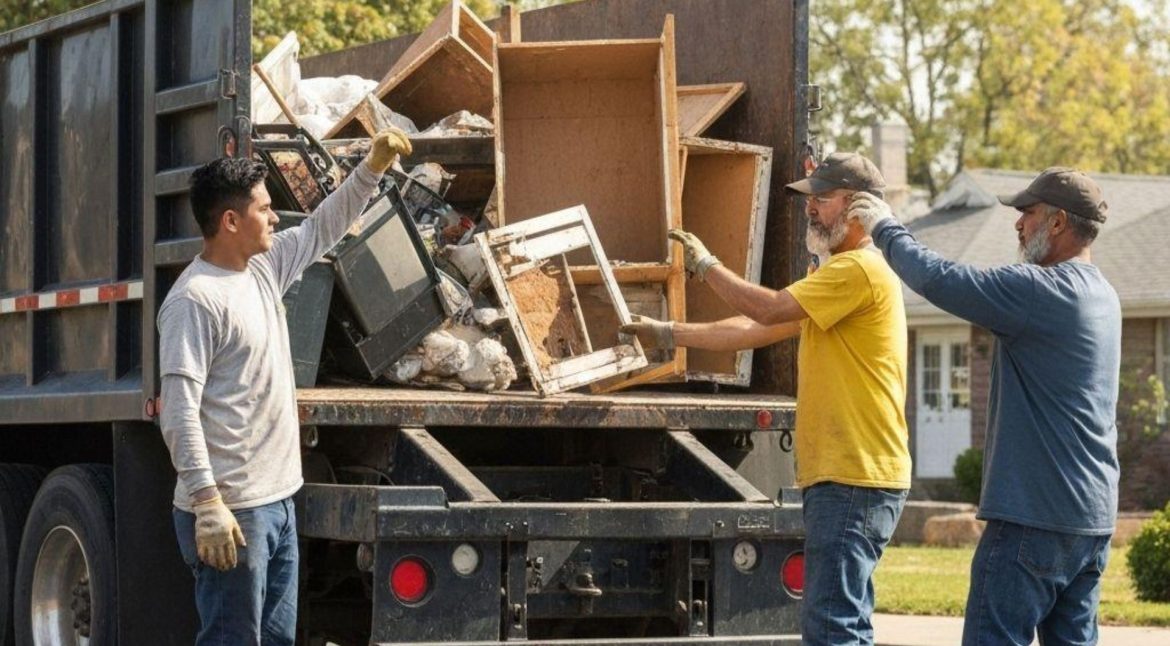
Many homeowners schedule junk removal expecting everything unwanted to disappear in a single visit. Then moving day arrives, and they discover that some items require special handling, others can be donated, and certain materials may not be accepted at all.
This uncertainty often leaves people wondering what junk removal takes and how to prepare before scheduling service.
The reality is that professional junk removal companies accept far more items than most people realize. Understanding the complete list of accepted items, common restrictions, and disposal options can save time, reduce moving stress, and help you avoid unexpected surprises.
Whether you’re preparing for a move in Clearwater, downsizing, cleaning out an estate, or simply reclaiming space, this guide explains exactly what you should know before booking junk removal services.
Why Understanding What Junk Removal Takes Matters
Many people wait until the final stages of moving before dealing with unwanted items.
That often leads to:
- Last-minute cleanup stress
- Additional moving expenses
- Unnecessary packing
- Extra disposal trips
- Delayed schedules
Knowing what junk removal takes helps you make smarter decisions before moving day.
According to the U.S. Environmental Protection Agency (EPA), reducing waste through reuse, recycling, and proper disposal helps conserve resources and reduce landfill waste.
Professional junk removal supports those goals while simplifying cleanup projects.
What Junk Removal Takes: The Complete Acceptance Guide
A professional junk removal list includes far more than household trash.
Most services remove a wide range of residential and commercial items.
Way 2 Go Moving is here to help every step of the way.
Furniture Disposal Services: Accepted Items
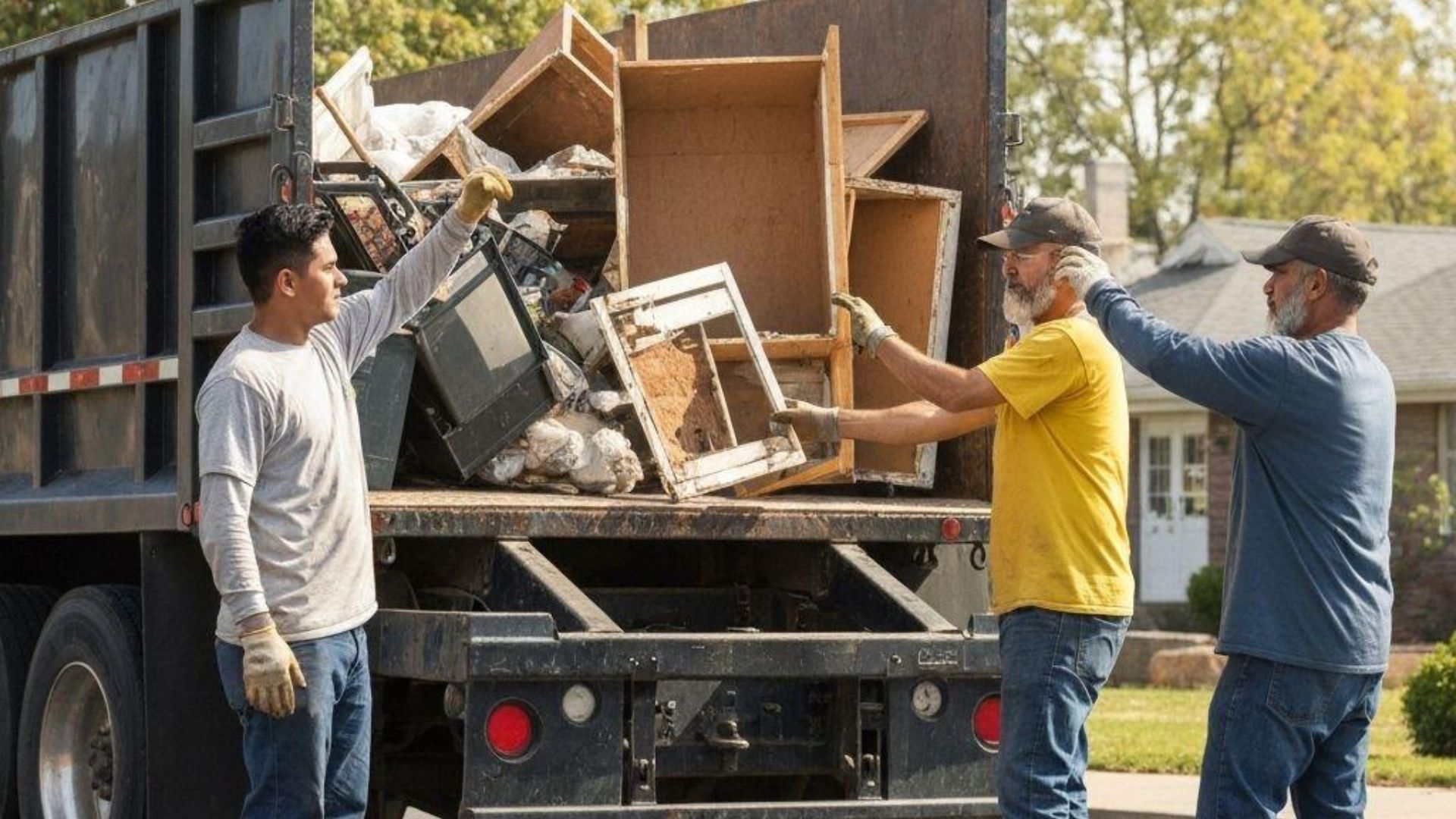
One of the most requested services involves furniture disposal services.
Common furniture items include:
- Sofas
- Sectionals
- Recliners
- Dining tables
- Chairs
- Coffee tables
- Dressers
- Bookshelves
- Entertainment centers
- Bed frames
- Mattresses
Removing unwanted furniture before moving often reduces transportation costs and packing requirements.
Household Items Commonly Accepted
Many homeowners underestimate how much clutter accumulates over time.
Common household items include:
Living Room
- Lamps
- Rugs
- Shelving
- Decorative items
Kitchen
- Small appliances
- Cookware
- Storage containers
Bedrooms
- Clothing
- Shoes
- Storage bins
Bathrooms
- Shelving
- Storage cabinets
- Miscellaneous clutter
These items often consume valuable space without providing everyday value.
Appliances Most Companies Accept
Many junk removal providers handle large appliances.
Common examples include:
- Refrigerators
- Freezers
- Washing machines
- Dryers
- Dishwashers
- Ovens
- Microwaves
- Water heaters
Always verify local requirements before scheduling service.
Electronics and E-Waste
Electronic waste often requires specialized disposal procedures.
Many companies accept:
- Televisions
- Computer monitors
- Desktop computers
- Laptops
- Printers
- Office electronics
Responsible disposal helps reduce environmental impact.
Garage, Attic, and Basement Cleanout Items
Storage areas often contain the largest amount of clutter.
Commonly accepted items include:
- Broken tools
- Old bicycles
- Storage shelving
- Sporting equipment
- Holiday decorations
- Forgotten household goods
These areas often provide the biggest decluttering opportunities before moving.
Office and Commercial Cleanout Materials
Businesses frequently schedule junk removal before relocations.
Examples include:
- Desks
- Filing cabinets
- Office chairs
- Cubicles
- Shelving units
- Office electronics
Commercial cleanouts help streamline office moves and renovations.
Construction and Renovation Debris
Many companies remove renovation-related materials.
Examples include:
- Drywall
- Lumber
- Flooring
- Cabinets
- Countertops
Acceptance policies vary depending on material type and volume.
Items Junk Removal Accepts: Quick Reference Checklist
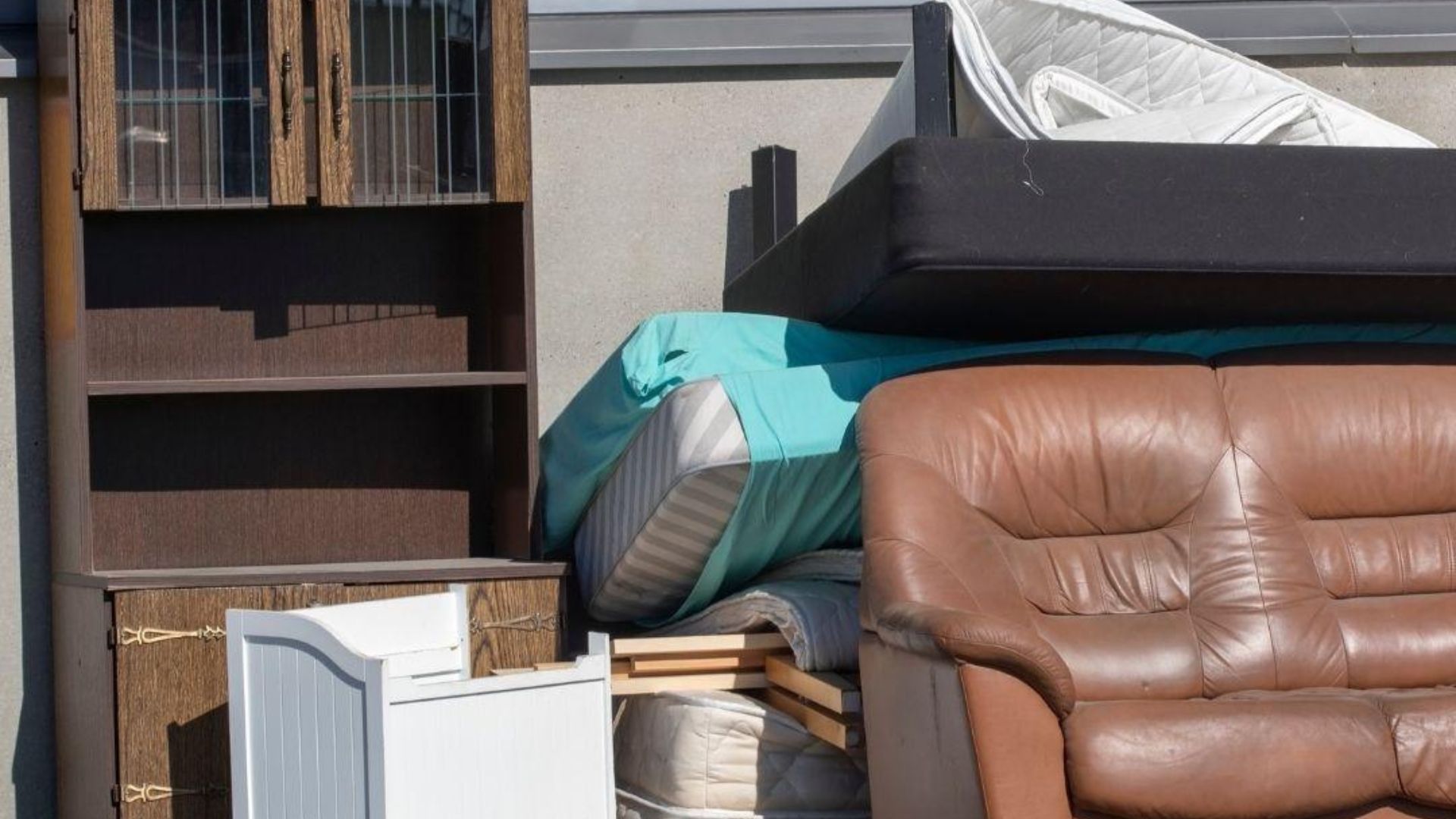
Understanding items junk removal accepts can simplify project planning.
Typically Accepted
✔ Furniture
✔ Appliances
✔ Electronics
✔ Household clutter
✔ Yard debris
✔ Office furniture
✔ Storage room contents
✔ Exercise equipment
✔ Mattresses
✔ Renovation debris
This covers many of the most common junk removal requests.
Common Items That May Require Special Handling
One of the things many companies do not explain upfront is that some materials require additional preparation.
Examples include:
- Certain appliances
- Large quantities of debris
- Specialty electronics
- Oversized items
Always discuss unusual materials before service day.
Junk Removal Planning Timeline
A little preparation helps create a smoother experience.
2-4 Weeks Before Cleanup
- Identify unwanted items
- Create donation piles
- Organize storage spaces
1 Week Before Service
- Separate accepted items
- Confirm access points
- Prepare large furniture
1 Day Before Pickup
- Clear pathways
- Secure valuables
- Confirm scheduling details
Preparation helps maximize efficiency.
Property Cleanout Framework
Different cleanup projects require different approaches.
Moving Cleanouts
Focus on reducing moving volume.
Estate Cleanouts
Prioritize sorting and organization.
Garage Cleanouts
Target large and unused items first.
Office Cleanouts
Focus on furniture and outdated equipment.
Matching the strategy to the project improves results.
Donation, Recycling, or Disposal?
Not every item belongs in a landfill.
Donate
Best for:
- Usable furniture
- Clothing
- Household goods
Recycle
Best for:
- Electronics
- Cardboard
- Metal
Dispose
Best for:
- Damaged items
- Broken furniture
- Non-recyclable materials
Responsible disposal supports sustainability efforts.
Common Junk Removal Mistakes
Many property owners make avoidable cleanup mistakes.
Waiting Until Moving Week
Last-minute cleanouts often create stress.
Keeping Broken Items
Damaged belongings usually add clutter rather than value.
Underestimating Project Size
Small projects frequently become larger than expected.
Ignoring Storage Areas
Hidden clutter still requires attention before moving.
Planning ahead produces better results.
Junk Removal Readiness Scorecard
Before scheduling service, review this checklist.
Item Identification
- Unwanted items separated
- Donation items selected
- Disposal items grouped
Property Access
- Walkways clear
- Driveway accessible
- Large items reachable
Cleanup Planning
- Timeline established
- Priority items identified
- Goals defined
Prepared properties generally experience faster service.
Accepted Item Value Matrix
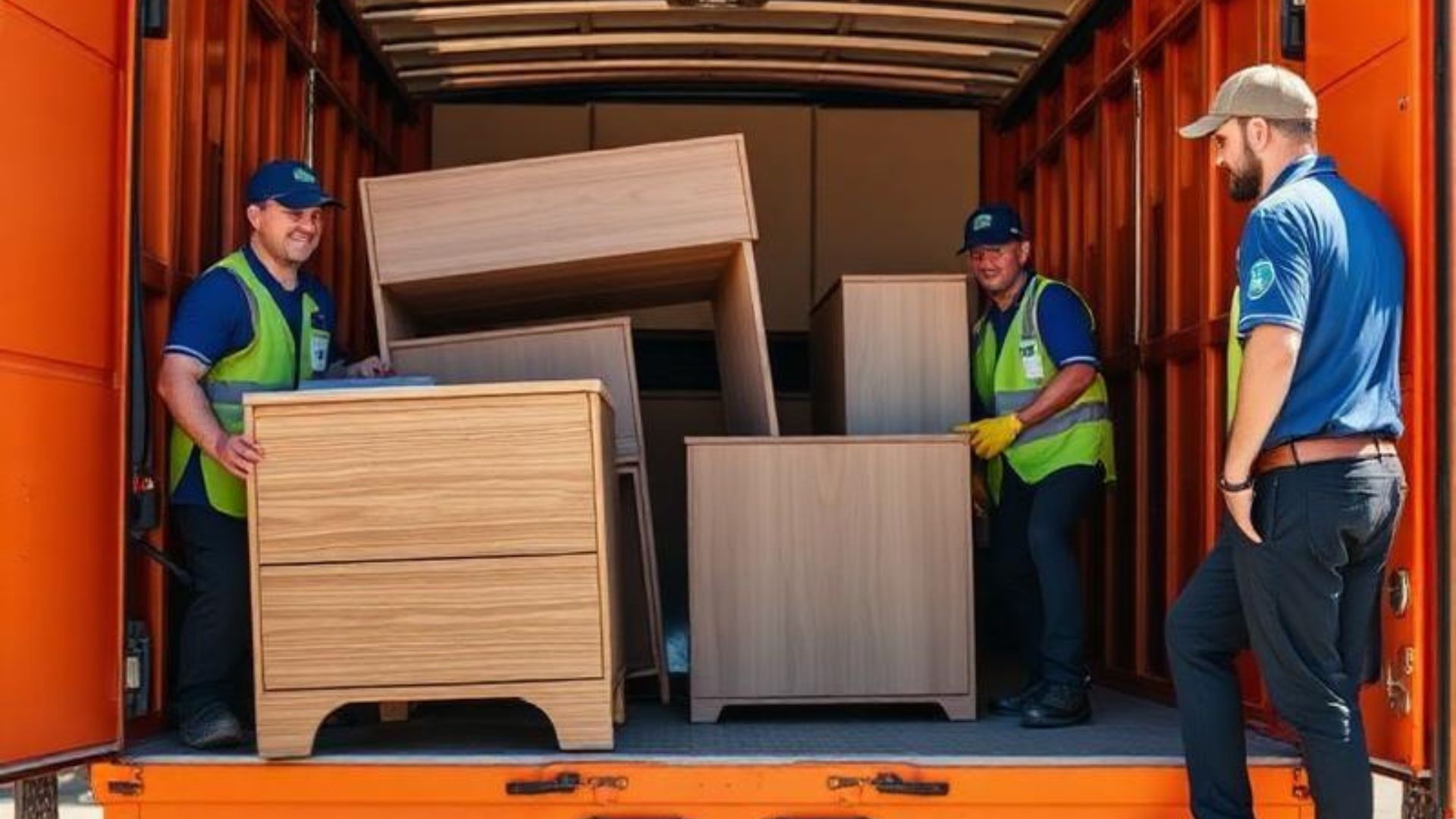
Use this framework before deciding what to remove.
| Item Type | Donate | Recycle | Remove |
|---|---|---|---|
| Furniture | Yes | No | If damaged |
| Electronics | Sometimes | Yes | If outdated |
| Appliances | Sometimes | Yes | If broken |
| Clothing | Yes | No | If unusable |
| Yard Debris | No | Sometimes | Yes |
This matrix helps simplify decision-making before cleanup begins.
Real-World Example: Simplifying a Clearwater Move
A Clearwater homeowner preparing for relocation assumed junk removal companies only accepted furniture.
After reviewing accepted item categories, the homeowner removed unwanted appliances, old electronics, garage clutter, damaged household goods, and unused furniture before packing began.
The result was fewer boxes, reduced moving volume, lower transportation costs, and a more organized move.
Understanding accepted items helped simplify the entire relocation process.
Professional Moving Insight
Experienced movers consistently observe that homeowners who remove unwanted items before packing often experience smoother relocations and lower moving costs.
The most efficient moves begin by identifying what should leave the property before the first moving box is packed.
Removing clutter first simplifies every stage of the moving process.
Related Junk Removal Resources
You may also find these guides helpful:
- Declutter Before You Move (The Ultimate Junk Removal Checklist)
- Junk Removal Cost in Clearwater (Avoid Overpaying in 2026)
- When Should You Schedule Junk Removal Before Moving?
- Donate, Sell or Dump? (Smartest Way to Get Rid of Unwanted Items)
- Eco-Friendly Junk Removal Tips
- Garage, Basement & Attic Cleanout Guide
- How to Get Rid of Old Furniture Before Moving
- Same-Day Junk Removal in Clearwater
- How Junk Removal Services Work (What to Expect Before You Book)
Understanding what junk removal takes helps homeowners and businesses prepare for cleanup projects more effectively. By reviewing a complete junk removal list, understanding which items junk removal accepts, and planning ahead with professional furniture disposal services, you can reduce stress, save time, and create a cleaner, more organized property.
If you’re planning a cleanup project in Clearwater or surrounding areas, book a consultation with Way2Go Moving to discuss junk removal, packing, storage, local moving, and long-distance moving solutions tailored to your needs.