

Every box you pack costs time, effort, and money. Yet many homeowners spend hundreds or even thousands of dollars moving items they no longer use. Overflowing garages, crowded closets, packed attics, and forgotten storage bins often make moving more stressful than it needs to be.
The smartest way to simplify your relocation is to declutter before moving. Removing unwanted items before packing reduces moving costs, saves time, and helps you start fresh in your new home. Whether you’re relocating across Clearwater or preparing for a long-distance move, a structured decluttering plan can make the entire process easier.
This guide provides a complete room-by-room checklist, downsizing strategy, cost-saving framework, and moving preparation system to help you declutter with confidence.
Why You Should Declutter Before Moving
Many people focus on packing first and decluttering second. That approach often creates unnecessary work.
When you declutter before moving, you can:
- Reduce packing time
- Lower moving expenses
- Minimize storage needs
- Simplify unpacking
- Improve home organization
- Create a cleaner moving experience
According to the National Association of Productivity and Organizing Professionals (NAPO), reducing household clutter can improve organization and make major life transitions easier to manage.
Way 2 Go Moving is here to help every step of the way.
The fewer items you move, the simpler your relocation becomes.
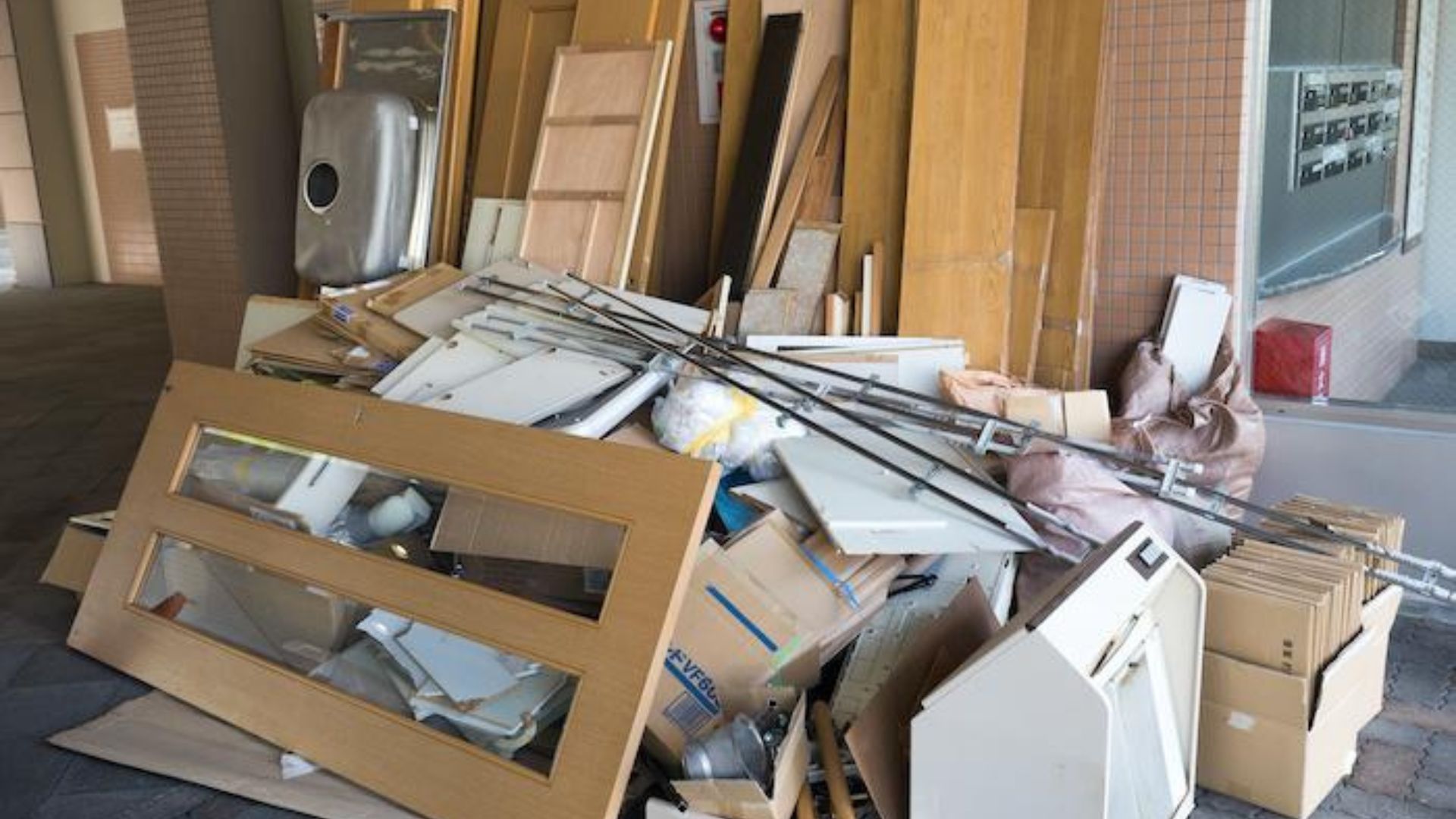
Declutter Before Moving: Start 6-8 Weeks Ahead
One of the biggest decluttering mistakes is waiting too long.
6-8 Weeks Before Moving
- Create a decluttering schedule
- Identify high-clutter areas
- Gather donation boxes
4-6 Weeks Before Moving
- Sort belongings room by room
- Schedule donation pickups
- Arrange junk removal if needed
2-3 Weeks Before Moving
- Remove unwanted furniture
- Finalize donation and disposal decisions
- Organize remaining belongings
1 Week Before Moving
- Complete final cleanouts
- Finish packing non-essential items
- Prepare moving-day essentials
Starting early helps avoid rushed decisions.
Moving Cost Savings Calculator: Why Decluttering Pays Off
One of the biggest benefits of decluttering is reducing moving volume.
| Items Removed | Potential Benefit |
|---|---|
| Unused Furniture | Less loading time |
| Old Appliances | More truck space |
| Storage Room Clutter | Fewer boxes to move |
| Broken Equipment | Reduced disposal costs later |
| Duplicate Household Items | Easier unpacking |
Every item removed before moving reduces the workload for packing, transportation, and unpacking.
The Ultimate Room-by-Room Junk Removal Checklist
A structured junk removal checklist prevents missed items and keeps the process manageable.
Kitchen
Remove:
- Expired food
- Duplicate cookware
- Broken appliances
- Unused gadgets
Living Room
Review:
- Decorative items
- Books and magazines
- Electronics
- Unused furniture
Bedrooms
Sort through:
- Clothing
- Shoes
- Accessories
- Unused storage items
Bathrooms
Discard:
- Expired medications
- Old cosmetics
- Empty products
Garage
Remove:
- Broken tools
- Damaged equipment
- Unused storage bins
Attic and Basement
Evaluate:
- Seasonal decorations
- Old electronics
- Forgotten boxes
- Unused household goods
Downsizing Strategy Framework
Many homeowners struggle with deciding what stays and what goes.
Use this simple framework.
Keep
Items you:
- Use regularly
- Need daily
- Cannot easily replace
Donate
Items that:
- Are still usable
- No longer fit your lifestyle
- Could benefit someone else
Sell
Items with:
- High resale value
- Good condition
- Market demand
Remove
Items that are:
- Broken
- Damaged
- Outdated
- Unusable
This approach eliminates guesswork.
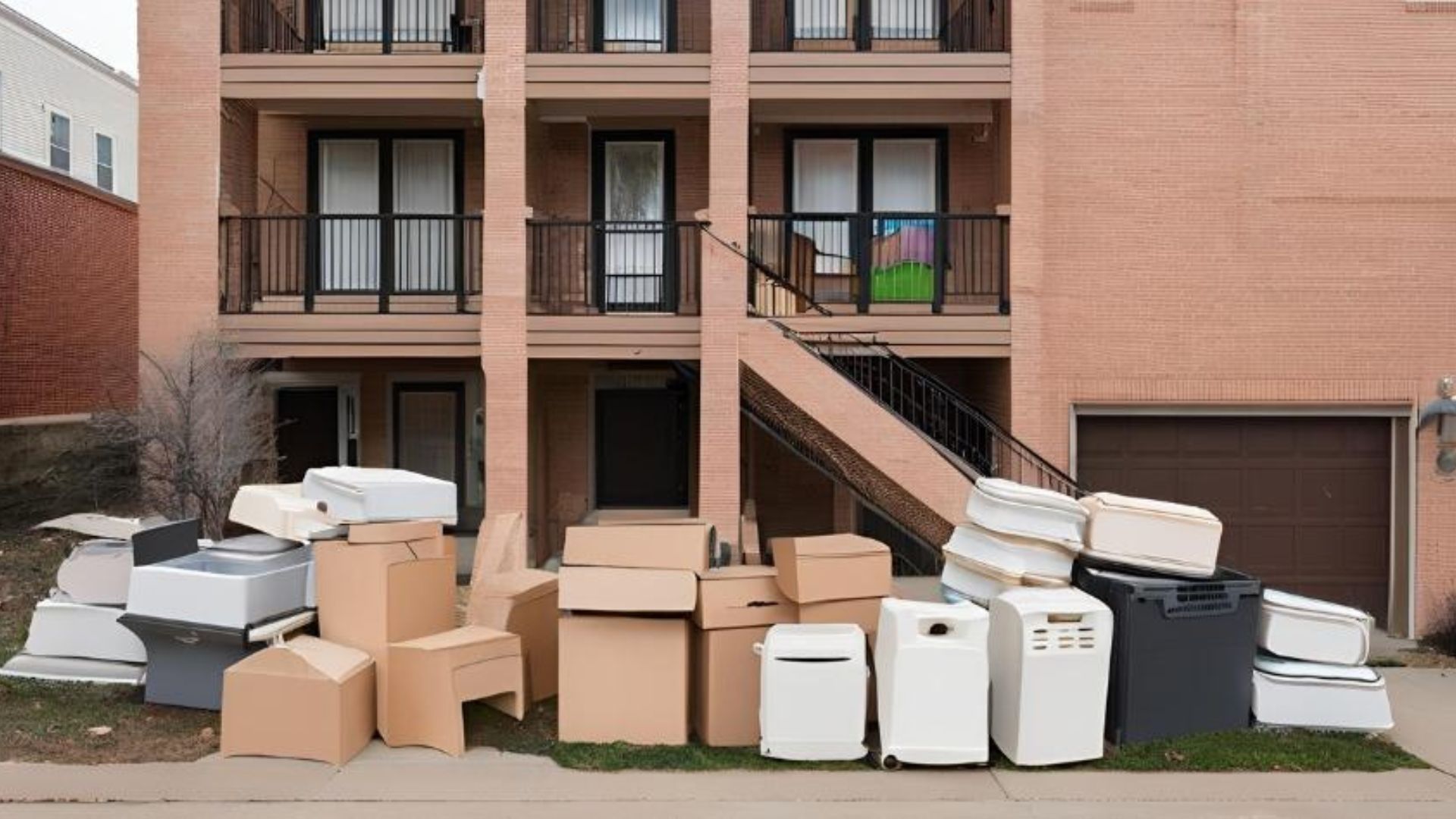
Moving Declutter Tips That Save Time and Money
These proven moving declutter tips help streamline relocation.
Remove Large Items First
Bulky furniture often creates the biggest moving challenges.
Examples include:
- Old couches
- Exercise equipment
- Unused tables
Eliminate Duplicates
Many households own:
- Extra kitchen tools
- Duplicate electronics
- Excess furniture
Keep only what you truly need.
Apply the One-Year Rule
If you haven’t used an item within the past year, evaluate whether it deserves space in your new home.
Focus on Hidden Storage Areas
Most clutter accumulates in:
- Closets
- Garages
- Basements
- Attics
These areas often provide the biggest decluttering wins.
Donate, Sell, or Dispose?
Not every item belongs in the trash.
Donate
Best for:
- Furniture
- Clothing
- Household goods
Sell
Best for:
- Electronics
- Collectibles
- Quality furniture
Dispose
Best for:
- Damaged items
- Broken furniture
- Unsanitary materials
Responsible disposal reduces environmental impact.
Signs You Need Professional Junk Removal
Some projects are simply too large to manage alone.
Professional junk removal may be beneficial when:
- Large furniture requires removal
- Multiple rooms need cleaning
- Heavy lifting creates safety concerns
- Time is limited
- Significant clutter has accumulated
Professional crews often complete projects in hours rather than days.
Common Decluttering Mistakes to Avoid
Waiting Until Packing Begins
Decluttering should happen before packing starts.
Keeping Too Much “Just in Case”
Unused items often become unnecessary moving expenses.
Ignoring Storage Areas
Hidden clutter still requires transportation.
Lacking a Clear Plan
Random cleanup efforts usually waste time.
A structured process produces better results.
Moving Volume Reduction Scorecard
Measure your decluttering success before moving day.
Items Removed
How many items were eliminated?
Boxes Saved
How many boxes are no longer needed?
Furniture Reduced
How many large items were removed?
Donation Volume
How many items were donated?
Storage Space Recovered
How much usable space was created?
Tracking these results highlights the value of decluttering.
Real-World Example: A Smarter Clearwater Relocation
A Clearwater family preparing for a long-distance move discovered they had accumulated years of unused belongings throughout their home.
Instead of packing everything, they followed a room-by-room decluttering plan, donated usable household goods, removed outdated furniture, and scheduled junk removal for larger items.
The result was fewer boxes, lower moving costs, faster packing, and a smoother transition into their new home.
The effort invested before moving day paid off throughout the relocation process.
Professional Moving Insight
Experienced movers consistently observe that homeowners who declutter before packing often experience faster moves, lower transportation costs, and less stress during unpacking.
Many people focus entirely on what they need to pack. The most efficient movers focus equally on what they should leave behind.
The easiest box to move is the one you never pack.
Related Junk Removal Resources
You may also find these guides helpful:
- Donate, Sell or Dump? (Smartest Way to Get Rid of Unwanted Items)
- Eco-Friendly Junk Removal Tips
- Garage, Basement & Attic Cleanout Guide
- How to Get Rid of Old Furniture Before Moving
- Same-Day Junk Removal in Clearwater
- How Junk Removal Services Work (What to Expect Before You Book)
Taking time to declutter before moving can reduce moving expenses, simplify packing, improve organization, and create a smoother relocation experience. By following a structured junk removal checklist, using proven moving declutter tips, and applying a practical downsizing strategy, you can eliminate unnecessary clutter before moving day arrives.
If you’re preparing for a move in Clearwater or surrounding areas, book a consultation with Way2Go Moving to discuss junk removal, packing, storage, local moving, and long-distance moving services designed to simplify your relocation.