
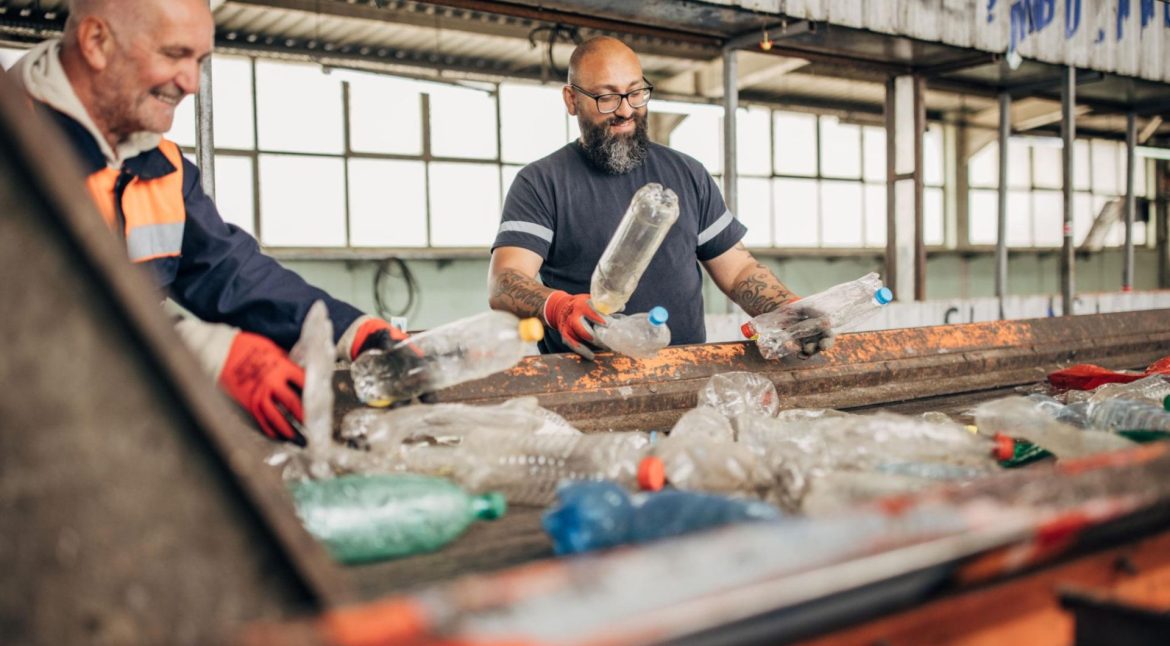
Moving creates enough stress without adding unnecessary waste to the equation. Unfortunately, many homeowners throw away furniture, electronics, household goods, and packing materials simply because they run out of time or don’t know what to do with them.
The good news is that eco friendly junk removal allows you to reduce landfill waste, simplify your move, and make environmentally responsible decisions without adding extra work. By donating usable items, recycling appropriate materials, and choosing sustainable disposal options, you can create a cleaner move and a smaller environmental footprint.
Whether you’re relocating across Clearwater or preparing for a long-distance move, these practical strategies will help you reduce waste while staying organized.
Why Eco-Friendly Junk Removal Matters
Most people focus on packing and transportation during a move. Few consider what happens to the belongings they leave behind.
According to the U.S. Environmental Protection Agency (EPA), millions of tons of furniture and household materials enter landfills every year, even though many items could be reused, donated, or recycled.
Choosing environmentally responsible disposal methods helps:
- Reduce landfill waste
- Support local charities
- Conserve natural resources
- Extend product life cycles
- Create cleaner communities
Small decisions can have a meaningful impact.
Way 2 Go Moving is here to help every step of the way.
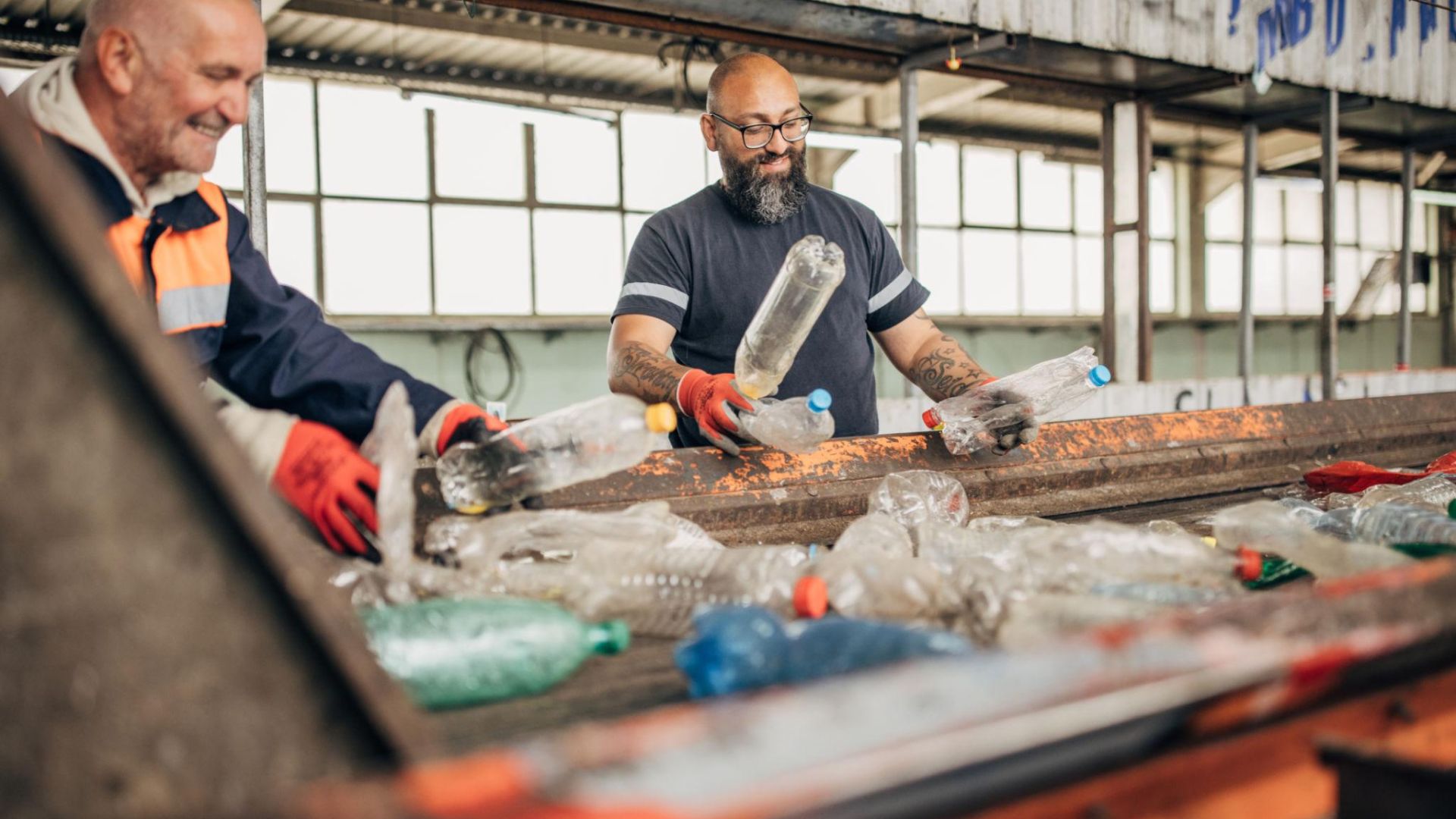
Eco Friendly Junk Removal Starts With Smart Sorting
The foundation of successful eco friendly junk removal is proper sorting.
Before packing begins, divide belongings into four categories:
Keep
Items you use regularly and plan to move.
Donate
Items that remain useful and functional.
Recycle
Materials accepted by local recycling programs.
Remove
Broken, damaged, or unusable items requiring disposal.
This process prevents unnecessary waste and simplifies moving preparation.
The 30-Second Eco-Friendly Disposal Rule
When you’re unsure what to do with an item, ask four simple questions:
Can Someone Else Use It?
If yes, consider donating it.
Does It Have Resale Value?
If yes, consider selling it.
Can It Be Recycled?
If yes, locate an approved recycling facility.
Does It Require Special Disposal?
If yes, dispose of it responsibly.
Using this framework helps you make fast, environmentally responsible decisions.
Eco-Friendly Decision Matrix
Use this chart when evaluating unwanted belongings.
| Item Condition | Best Action |
|---|---|
| Excellent Condition | Sell |
| Good Condition | Donate |
| Recyclable Material | Recycle |
| Damaged but Recyclable | Specialized Recycling |
| Broken and Non-Recyclable | Responsible Disposal |
This system helps reduce unnecessary landfill waste.
Green Disposal Methods Ranked by Environmental Impact
Not all disposal methods offer the same environmental benefits.
Follow this order whenever possible.
| Priority | Method |
|---|---|
| 1 | Reuse |
| 2 | Donate |
| 3 | Sell |
| 4 | Recycle |
| 5 | Dispose |
The higher an item remains on this list, the lower its environmental impact.
For example, donating a table is generally more sustainable than discarding it.
Waste Reduction Impact Table
Many homeowners don’t realize how much waste reduction can occur through simple choices.
| Action | Environmental Benefit |
|---|---|
| Donate | Extends product life |
| Sell | Prevents unnecessary disposal |
| Recycle | Reduces landfill use |
| Reuse | Avoids new manufacturing demand |
| Proper Disposal | Prevents contamination |
These actions collectively support more sustainable communities.
Donate Before You Dump
Many household items still have value even when you no longer need them.
Common donation candidates include:
- Furniture
- Clothing
- Toys
- Books
- Kitchen supplies
- Home décor
- Small appliances
Donation reduces waste while helping local families and charitable organizations.
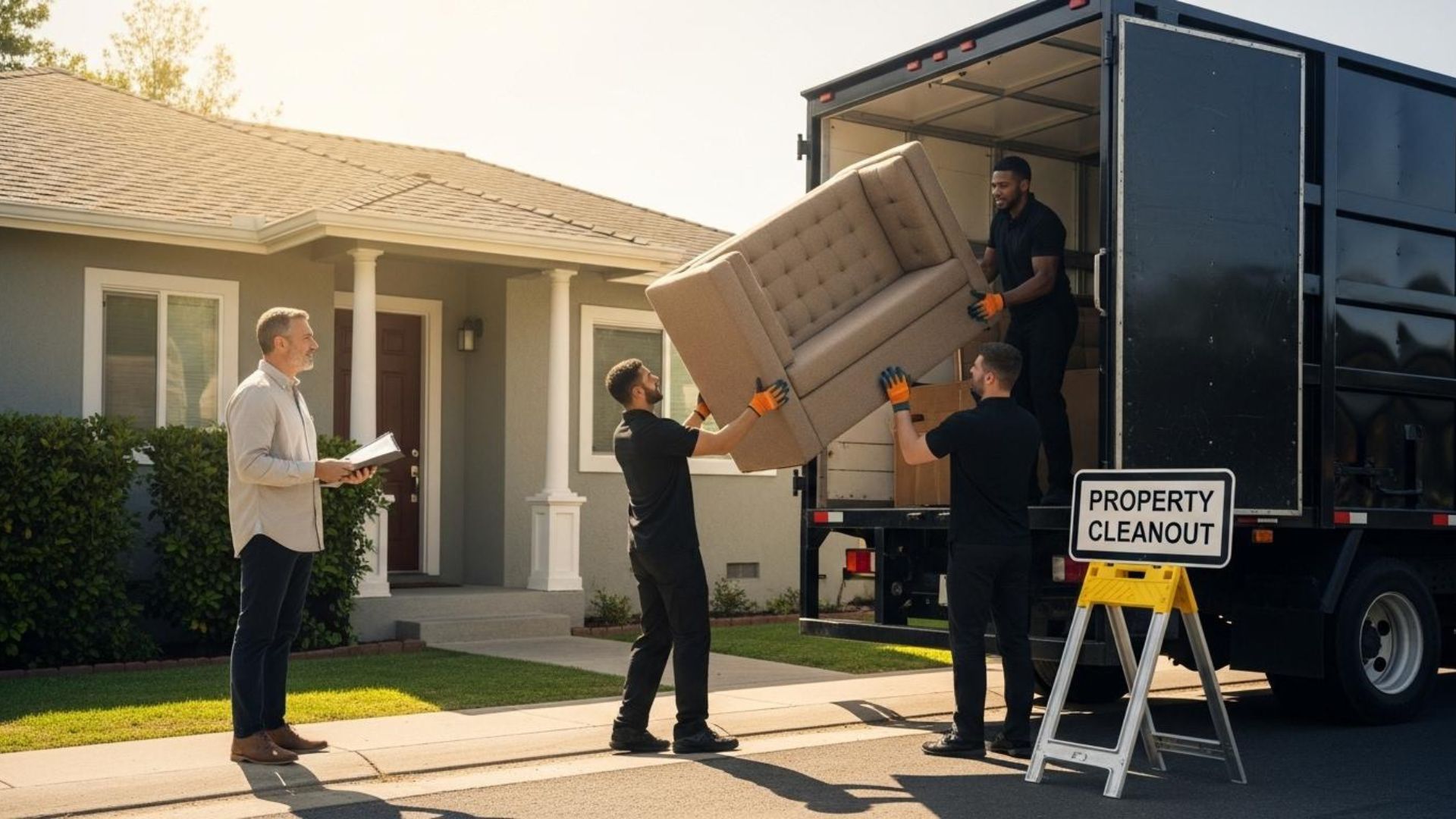
Recycle Junk Moving Projects Often Generate
Many moving-related materials qualify for recycling.
When you recycle junk moving projects create, you significantly reduce environmental impact.
Cardboard Boxes
Flatten and recycle them after use.
Office Paper
Paper products often qualify for standard recycling programs.
Electronics
Computers, printers, televisions, and accessories often require specialized recycling facilities.
Metal Items
Metal furniture, shelving, and tools frequently contain recyclable materials.
Plastic Containers
Many storage bins and household containers can be recycled depending on local guidelines.
Always verify local recycling requirements before disposal.
Reusable Moving Supplies That Reduce Waste
One of the easiest ways to move sustainably is to reduce disposable packing materials.
These reusable alternatives work well.
Plastic Moving Bins
Reusable containers often last for years.
Blankets and Towels
Protect fragile items without purchasing excess packing materials.
Reusable Storage Containers
Many homeowners already own containers suitable for moving.
Cloth Bags
Ideal for transporting lightweight household items.
Suitcases
A practical alternative to additional boxes.
Using reusable materials reduces both waste and moving expenses.
Sustainable Moving Tips for Environmentally Conscious Homeowners
These sustainable moving tips can make a noticeable difference.
Declutter Before Packing
Avoid moving items you don’t need.
Consolidate Deliveries
Reduce transportation emissions where possible.
Reuse Existing Supplies
Use what you already have before purchasing new materials.
Donate Early
Allow charities time to process donated items.
Plan Disposal Ahead of Time
Last-minute decisions often generate unnecessary waste.
Simple preparation creates better environmental outcomes.
Common Household Items and Their Greenest Disposal Option
| Item | Recommended Option |
|---|---|
| Sofa | Donate, Sell, or Recycle |
| Mattress | Donate if accepted, otherwise recycle |
| Television | Electronics recycling |
| Refrigerator | Appliance recycling |
| Dining Table | Sell or Donate |
| Exercise Equipment | Sell, Donate, or Recycle |
| Books | Donate |
| Clothing | Donate or Recycle |
This framework helps homeowners make faster decisions.
Sustainable Moving Checklist
Before moving day, ask yourself:
- Can this item be reused?
- Can someone else benefit from it?
- Can it be sold?
- Can it be recycled?
- Does it require special disposal?
- Am I moving this because I need it or because I haven’t made a decision?
This checklist prevents unnecessary clutter from following you into your new home.
Common Eco-Friendly Junk Removal Mistakes
Avoid these common mistakes.
Waiting Until the Last Week
Rushed decisions often result in unnecessary disposal.
Throwing Away Usable Furniture
Many items remain valuable to others.
Ignoring Recycling Opportunities
Furniture, electronics, and metal items often qualify for recycling.
Buying Excess Packing Materials
Reusable alternatives frequently work just as well.
Planning ahead helps avoid these issues.

Real-World Example: A Clearwater Family’s Move
A Clearwater family preparing for a long-distance relocation discovered years of accumulated belongings throughout their garage, attic, and guest rooms.
Rather than disposing of everything, they created donation, recycling, and removal categories.
Several furniture pieces went to local charities, electronics went to approved recycling facilities, and damaged items were professionally removed.
The result was a cleaner move, fewer boxes, and significantly less waste.
Professional Moving Insight
Experienced movers consistently observe that homeowners who begin decluttering early create less waste and enjoy more organized moves.
One useful question to ask before packing any item is:
“Would I intentionally bring this into my next home if I were buying it today?”
If the answer is no, donation, recycling, or removal may be the better option.
Related Resources
You may also find these guides helpful:
- Declutter Before You Move (The Ultimate Junk Removal Checklist)
- What Junk Removal Companies Won’t Tell You (Full Item List)
- Junk Removal Cost in Clearwater (Avoid Overpaying in 2026)
- Donate, Sell or Dump? (Smartest Way to Get Rid of Unwanted Items)
- Garage, Basement & Attic Cleanout Guide
- How to Get Rid of Old Furniture Before Moving
- Same-Day Junk Removal in Clearwater
- How Junk Removal Services Work (What to Expect Before You Book)
Practicing eco friendly junk removal before moving helps reduce waste, simplify packing, and support more sustainable communities. By using responsible green disposal methods, taking time to recycle junk moving projects generate, and following proven sustainable moving tips, you can create a cleaner, more efficient relocation.
If you’re preparing for a move in Clearwater or nearby communities, book a consultation with Way2Go Moving to discuss professional junk removal, packing, storage, local moving, and long-distance moving services designed to simplify your relocation.