

Most moving damage happens before the truck even leaves the driveway…
Successful packing for long distance move preparation involves much more than putting items into boxes. During interstate and cross-country relocations, your belongings face extended transportation, road vibrations, multiple handling points, and long delivery timelines.
Whether you’re moving from Clearwater to another Florida city or relocating across state lines, proper packing can significantly reduce the risk of damage, loss, and unnecessary stress. Learn more about the moving services that help Tampa families and businesses relocate with confidence.
The good news is that professional movers use proven systems to keep belongings safe throughout long-distance moves. By following these strategies, you can improve protection, stay organized, and make unpacking much easier when you arrive.
Why Packing Matters More During Long-Distance Moves
Unlike local relocations, long-distance moves often involve:
- Extended transportation times
- Multiple loading and unloading stages
- Greater truck movement
- Longer storage periods
- Increased handling
According to the American Moving & Storage Association, millions of Americans relocate each year, making proper packing one of the most important factors in preventing moving-related damage.
The reality is simple: even the best movers cannot fully protect items that are packed improperly.
Packing for Long Distance Move Success Starts With Proper Supplies
Many homeowners underestimate the importance of quality packing materials.
Professional movers recommend:
- Heavy-duty moving boxes
- Packing paper
- Bubble wrap
- Stretch wrap
- Packing tape
- Furniture blankets
- Permanent markers
Quality materials may cost slightly more upfront, but they often prevent expensive damage later.
Create a Packing Plan Before You Pack Anything
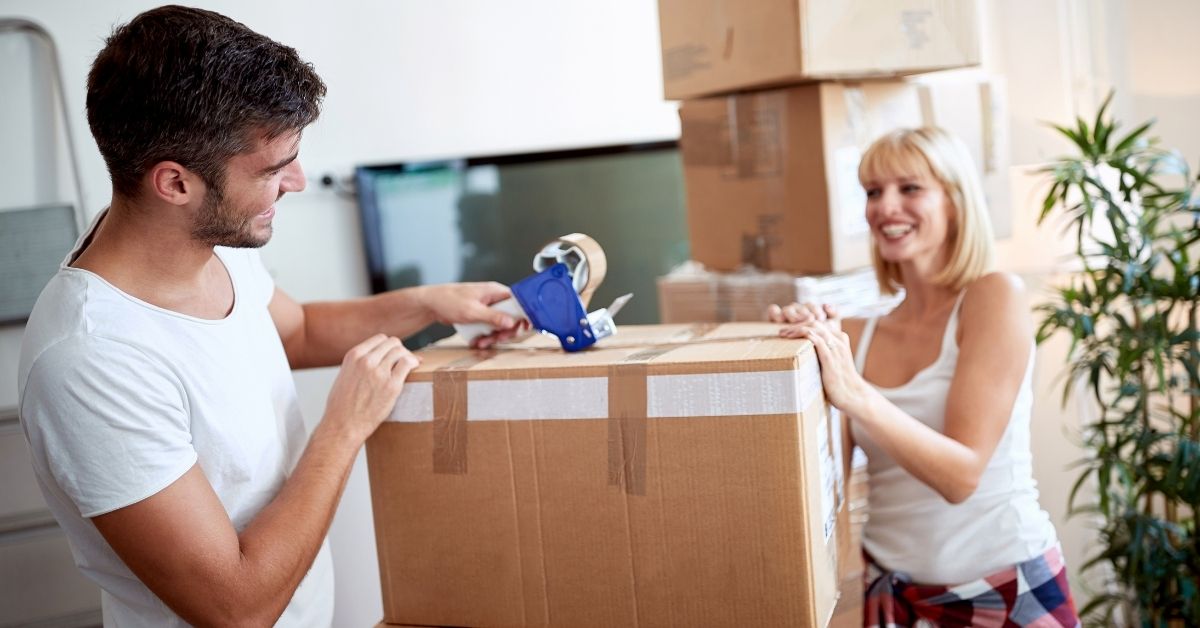
Packing without a system often creates confusion.
Before packing:
Create an Inventory
Document valuable belongings.
Organize by Room
Keep items grouped together.
Identify Fragile Items
Separate delicate belongings before packing begins.
Build a Timeline
Spread packing over several weeks.
Planning first often saves time throughout the entire move.
Professional Box Weight Rules Movers Follow
One of the most overlooked packing mistakes involves box weight.
Professional movers typically follow these guidelines:
| Box Type | Recommended Weight |
|---|---|
| Small Box | 30–50 lbs |
| Medium Box | 40–60 lbs |
| Large Box | Lightweight items only |
Heavy items such as books should always go into smaller boxes.
Large boxes work best for:
- Pillows
- Bedding
- Towels
- Lightweight household goods
Following proper weight limits helps prevent box failure during loading and transportation.
Long-Distance Packing Tips Professional Movers Use
Experienced movers rely on proven systems.
These long-distance packing tips help reduce damage during transportation.
Pack Heavy Items Low
Place heavier items at the bottom of boxes.
Fill Empty Space
Prevent items from shifting during transit.
Wrap Items Individually
Protect delicate belongings separately.
Avoid Overpacking
Boxes should remain secure and manageable.
Small improvements in packing technique often prevent major problems later.
How to Protect Items Long Distance Moving Companies Transport
Learning how to protect items long distance moving professionals handle starts with understanding what causes damage.
The most common causes include:
- Movement inside boxes
- Weak containers
- Poor cushioning
- Uneven weight distribution
- Improper stacking
To minimize these risks:
Reinforce Box Bottoms
Use additional tape for support.
Double-Box Fragile Items
Add a second layer of protection.
Balance Weight Evenly
Avoid top-heavy boxes.
Cushion All Sides
Protect belongings from impact.
Professional movers focus on reducing movement because movement causes most damage.
Real Packing Failure Example
A homeowner preparing for a long-distance move packs an entire bookshelf into one large box.
At first, the box appears secure.
However, during loading, the bottom gives way because the weight exceeds what the box can safely support.
Several books become damaged, and loading takes longer while movers reorganize the contents.
The lesson is simple:
Heavy items belong in smaller boxes.
This is one of the most common packing mistakes professional movers encounter.
Room-by-Room Packing Strategy
Packing room by room simplifies both loading and unpacking.
Kitchen
- Wrap dishes individually
- Separate glassware
- Use extra cushioning
Living Room
- Protect electronics
- Secure remote controls
- Remove batteries
Bedroom
- Use wardrobe boxes
- Pack valuables separately
- Label boxes clearly
Home Office
- Back up files
- Photograph cable connections
- Protect monitors carefully
A room-by-room strategy keeps the move organized from start to finish.
Packing Interstate Move Essentials Separately
When packing interstate move necessities, always prepare an essentials box.
Keep it with you rather than placing it on the truck.
Include:
- Prescription medications
- Phone chargers
- Important documents
- Basic clothing
- Toiletries
- Snacks
- Water
Having immediate access to essential items makes the first day much easier.
Truck Loading Strategy Professionals Use
Packing is only part of the equation.
Professional movers also follow strategic truck-loading methods.
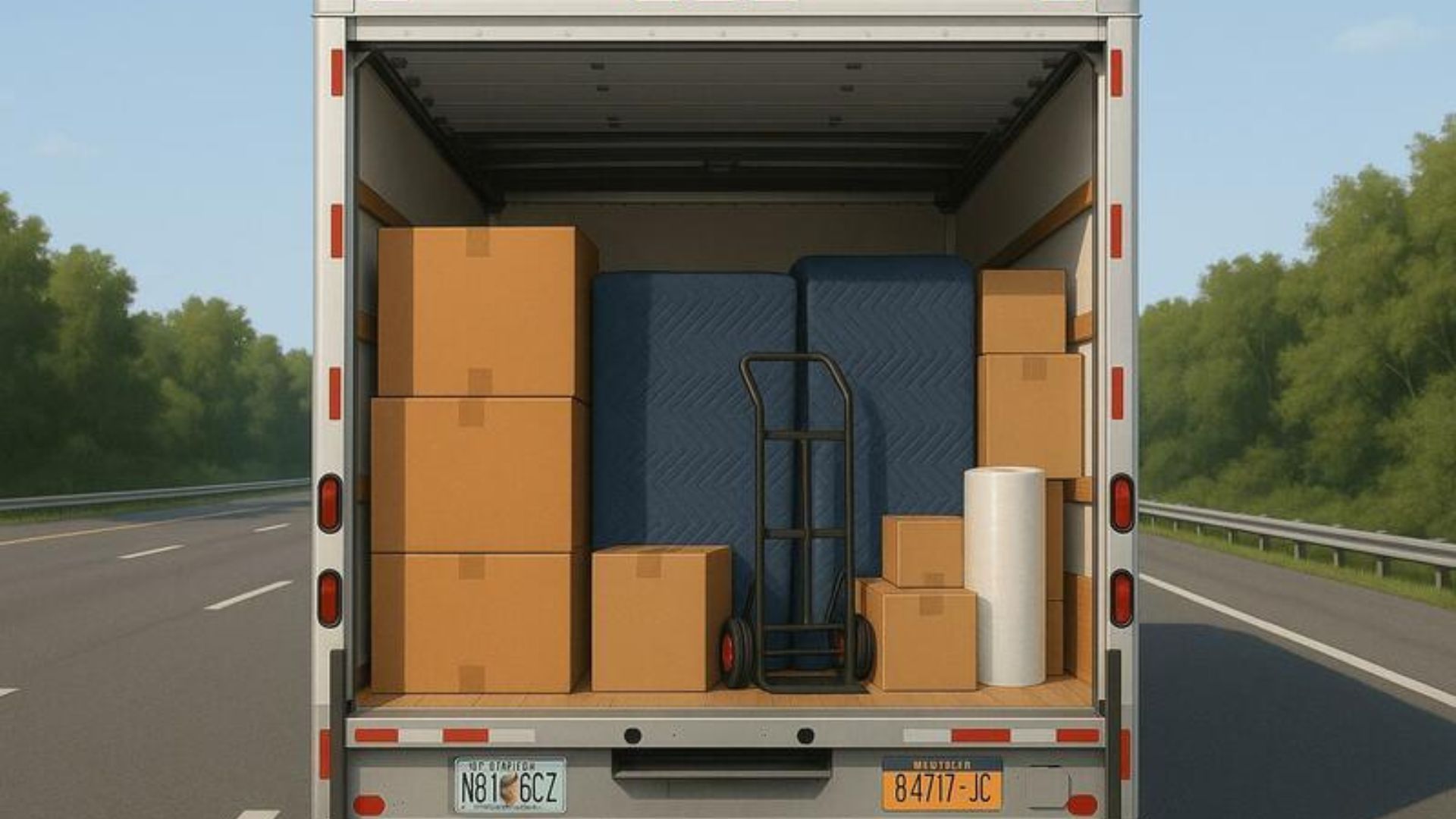
Heavy Items First
Heavy furniture and appliances go in first.
Weight Distribution Matters
Weight should remain balanced throughout the truck.
Fragile Items Last
Delicate items often get loaded later for easier protection.
Frequently Needed Items Stay Accessible
Essential belongings remain easier to reach.
Proper truck organization reduces shifting during transportation and improves protection.
Furniture Protection Tips for Long-Distance Moves
Furniture often experiences scratches and dents during long-distance transportation.
Protect furniture by:
Disassembling Large Pieces
Remove detachable parts when possible.
Wrapping Surfaces
Use moving blankets and stretch wrap.
Protecting Corners
Corner guards help reduce impact damage.
Securing Hardware
Store screws and bolts in labeled bags.
These simple steps help preserve furniture condition throughout the move.
Long-Distance Packing Readiness Scorecard
Before moving day, check your preparation.
| Task | Complete? |
|---|---|
| Inventory Created | □ |
| Boxes Labeled | □ |
| Fragile Items Protected | □ |
| Furniture Wrapped | □ |
| Essentials Box Packed | □ |
| Electronics Documented | □ |
| Important Documents Secured | □ |
| Moving Supplies Ready | □ |
If you can check every box, you’re well prepared for moving day.
What Professional Packers Do Differently
Many homeowners wonder why professional packing services often reduce damage rates.
Professional packers:
- Follow weight guidelines
- Use stronger materials
- Protect fragile items more thoroughly
- Label consistently
- Organize inventory systems
One professional packing insight stands out:
The goal isn’t fitting more items into a box.
The goal is preventing movement inside the box.
This principle explains why professional packing methods consistently outperform rushed DIY packing.
Related Long-Distance Moving Resources
For additional relocation guidance, explore:
- Ultimate Long-Distance Moving Checklist (Step-by-Step Guide)
- How Much Does Long-Distance Moving Cost in Florida? (2026 Guide)
- 7 Proven Tips for Stress-Free Interstate Moving (Expert Advice)
- How to Choose the Best Long-Distance Movers in Florida (Avoid Scams)
- What to Expect During a Long-Distance Move (Full Breakdown)
- Moving From Clearwater to Another City: Complete Relocation Guide
Together, these resources provide a complete roadmap for planning a successful relocation.
Effective packing for long distance move preparation requires planning, organization, and proven protection strategies. By using quality materials, following proper box weight limits, protecting fragile belongings, and organizing your truck load carefully, you can significantly reduce the risk of damage and loss.
Whether you’re relocating from Clearwater or preparing for a cross-country move, smart packing can save time, money, and frustration while helping your belongings arrive safely. Way 2 Go Moving is here to help every step of the way.
If you’re planning a long-distance relocation, book a consultation with Way2Go Moving to discuss professional packing, storage, junk removal, and moving solutions tailored to your specific needs.